Life in Equandia

Natural Encyclopedia

Flora, Fauna and Ecosystems. Discover the 34 unique species that keep our world in balance.

Flora of Equandia

17 plant species that have evolved to communicate with the Earth and carry signals to the Guardians.

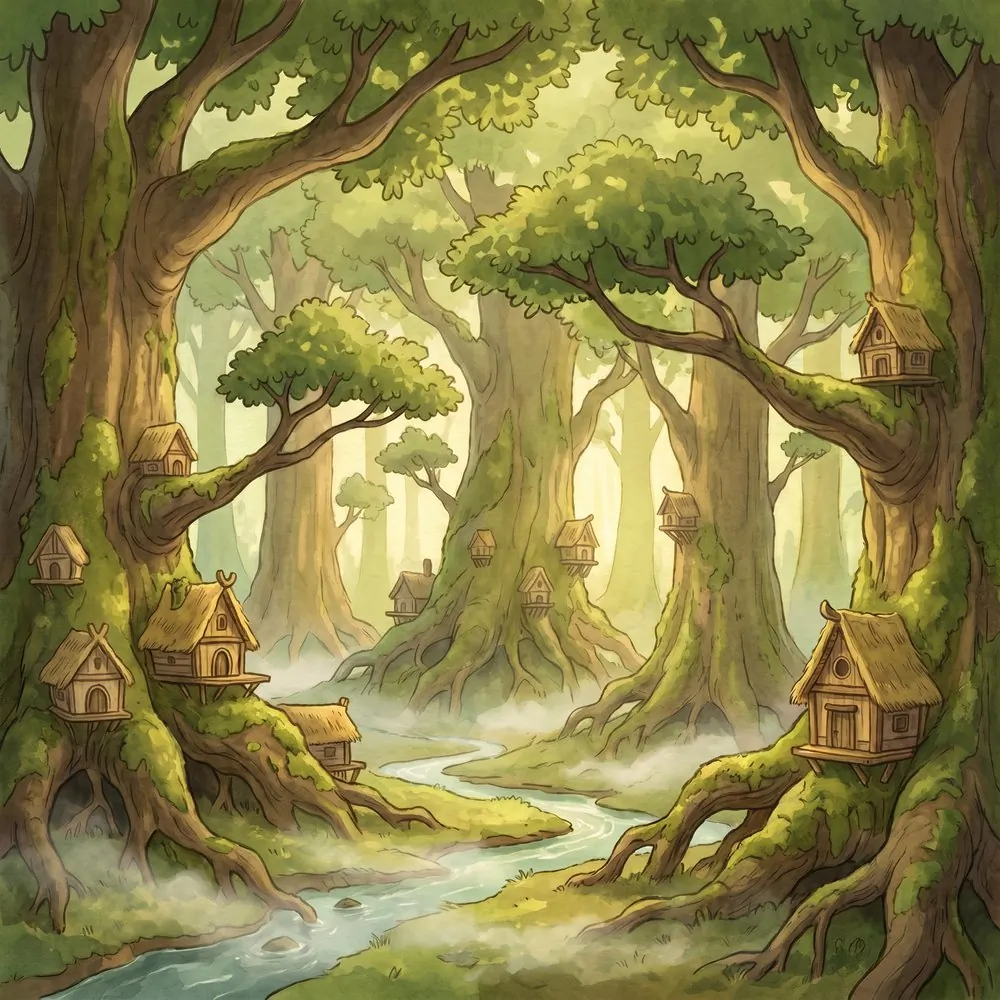
The Verdant Forest, home to Equandia's flora

Mother Tree

Araucaria guardiana

Lives in Yanama Jungle

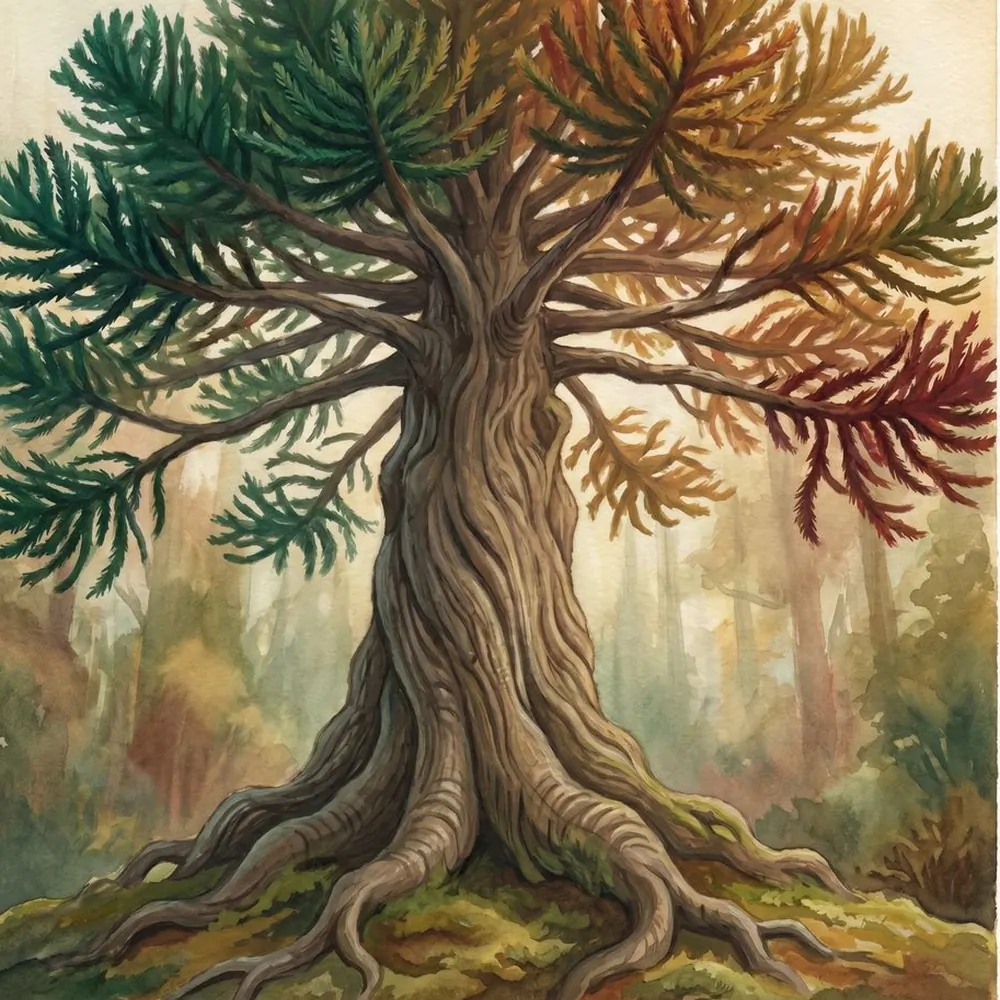
The Mother Tree is the backbone of the Yanama Jungle. With roots that reach up to 50 meters deep, these giants act as natural seismic antennas, sensing tectonic movements before they reach the surface.

Its leaves change color with the geological tension: deep green when all is calm, yellow when they sense a faint tremor, and red when danger is near. The Guardians learn to read these colors from childhood. What would you do if a whole forest suddenly turned red?

The most experienced Guardians can place their hands on the trunk and feel the vibrations directly, reading the "voice of Terran" that travels through the roots.
📊 Scientific Data

  • Height: 40-60 meters
  • Age: Up to 800 years
  • Signal: Seismic vibrations (frequency 1-10 Hz)
  • Detection range: Earthquakes up to 200 km away
  • Warning time: 15-45 minutes before the earthquake

See full profile

Guardian Mangrove

Rhizophora signalex

Lives in Coral Coast

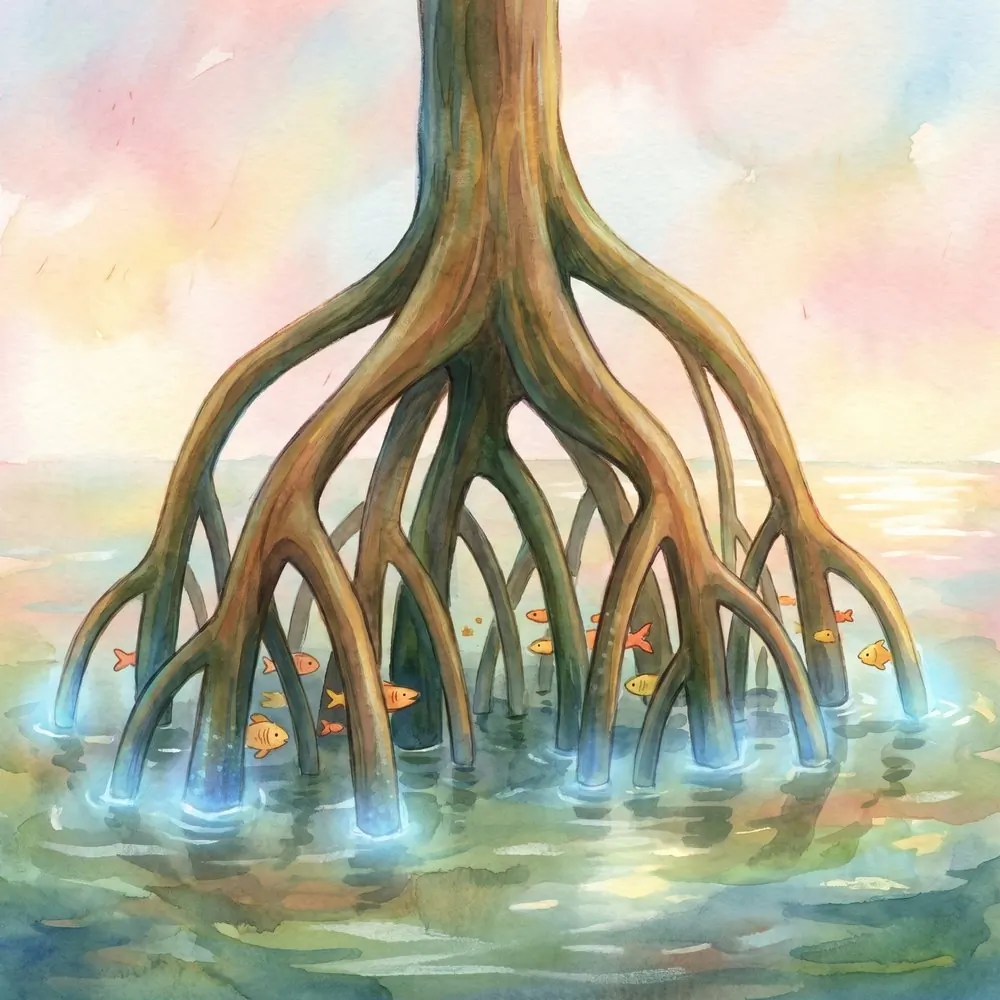
The Guardian Mangroves grow in the brackish waters of the Niloa Delta. Their aerial roots act as natural barometers, responding to changes in atmospheric pressure that come before storms and tsunamis.

When they sense a storm, they release a glowing substance that makes the water around them shine in bluish tones. The brighter the light, the more powerful the storm will be. Anyone who learns to read that glow can warn the fishermen before the sky closes in. Will the warning always arrive in time?

They also filter the salt water and shelter hundreds of species of fish and crustaceans, forming complex ecosystems where Aquanis speaks most clearly.

📊 Scientific Data

  • Height: 8-15 meters
  • Age: 100-200 years
  • Signal: Changes in atmospheric pressure
  • Bioluminescence: Triggered 6-12 hours before storms
  • Ecological role: Protects coasts from erosion and tsunamis

See full profile

Sentinel Cactus

Cereus vigilans

Lives in Salt Desert

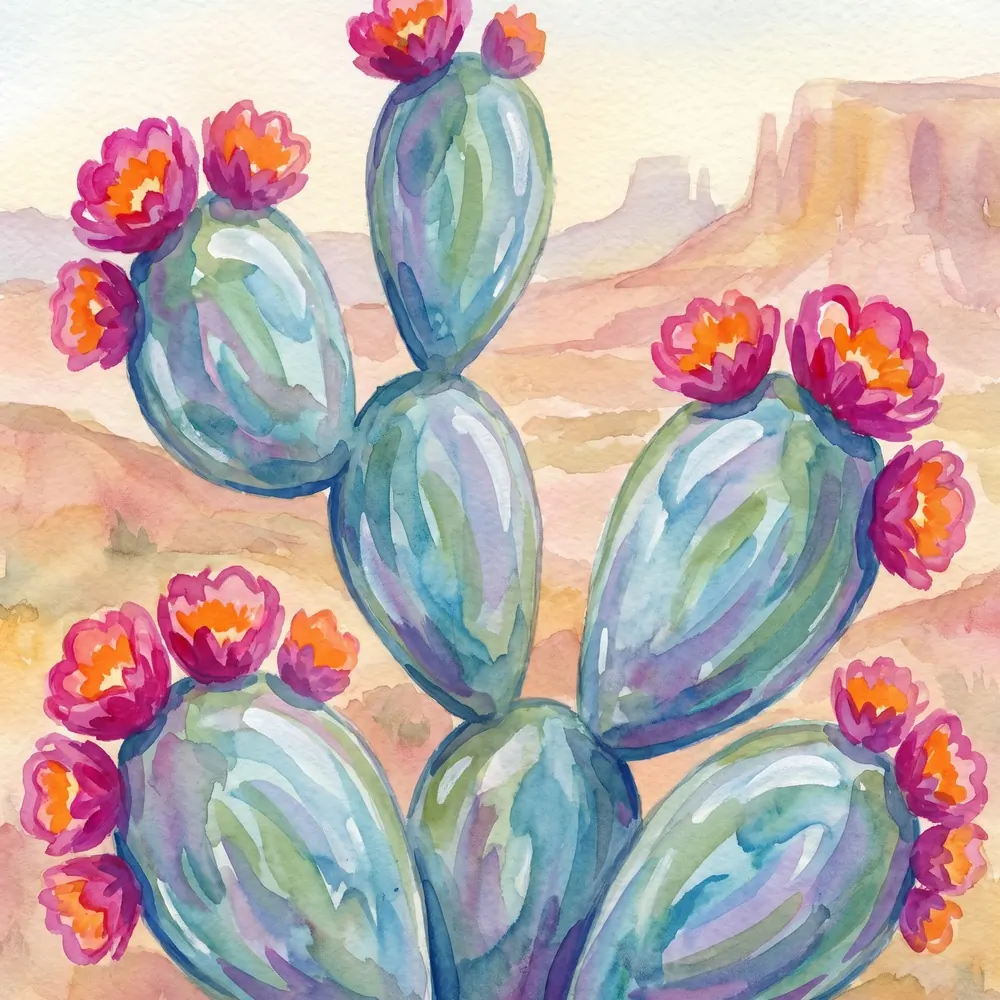
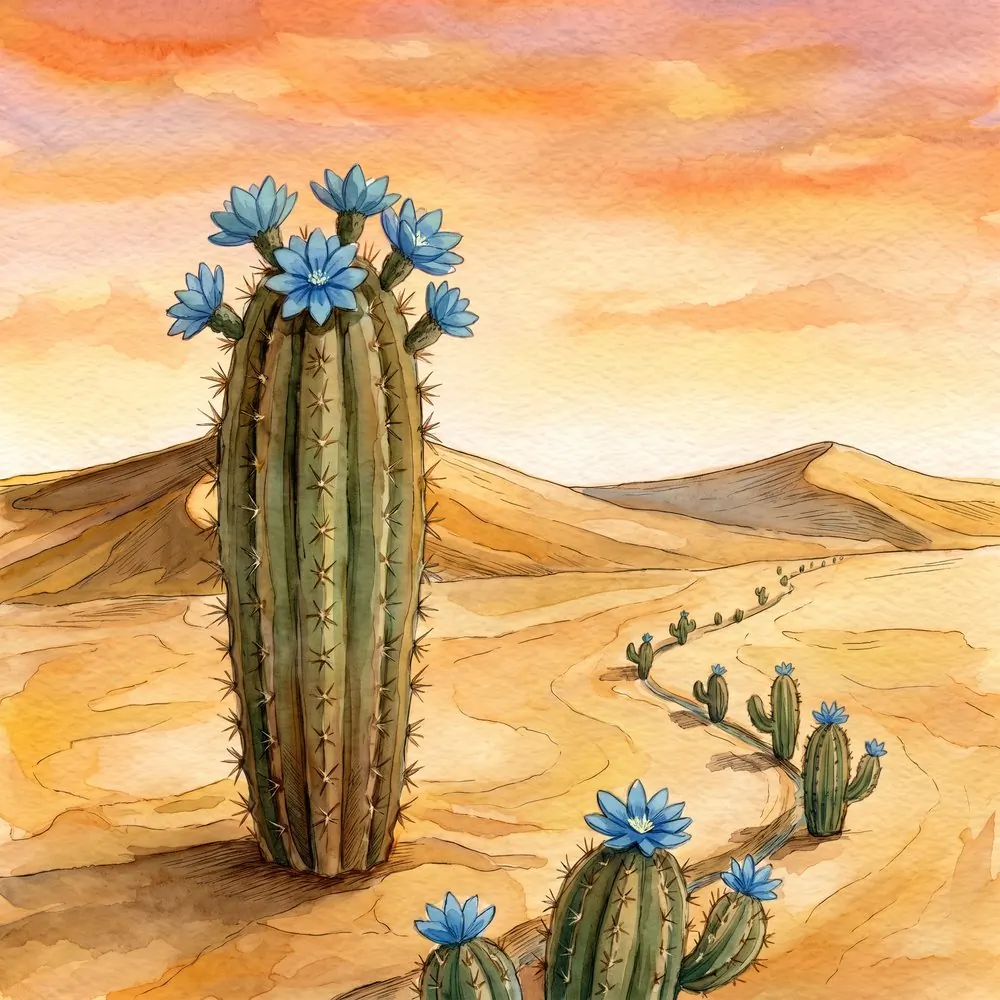
The Sentinel Cactus is a species found only in the Arida Desert. Its most remarkable trait: it blooms only when it senses underground water nearby, even 100 meters down.

In a desert where water is life, the Guardians follow the line of blooming Sentinel Cacti to find hidden aquifers. Their flowers are a bright blue that stands out sharply against the dry landscape.

They also store water incredibly efficiently and can survive years without rain. Desert travelers call their flowers "blue stars." Where would a row of glowing stars in the middle of the sand lead you?

📊 Scientific Data

  • Height: 5-12 meters
  • Age: 150-300 years
  • Signal: Underground moisture (electromagnetic detection)
  • Water storage: Up to 2,000 liters
  • Flowering: Only when water is less than 100m deep

See full profile

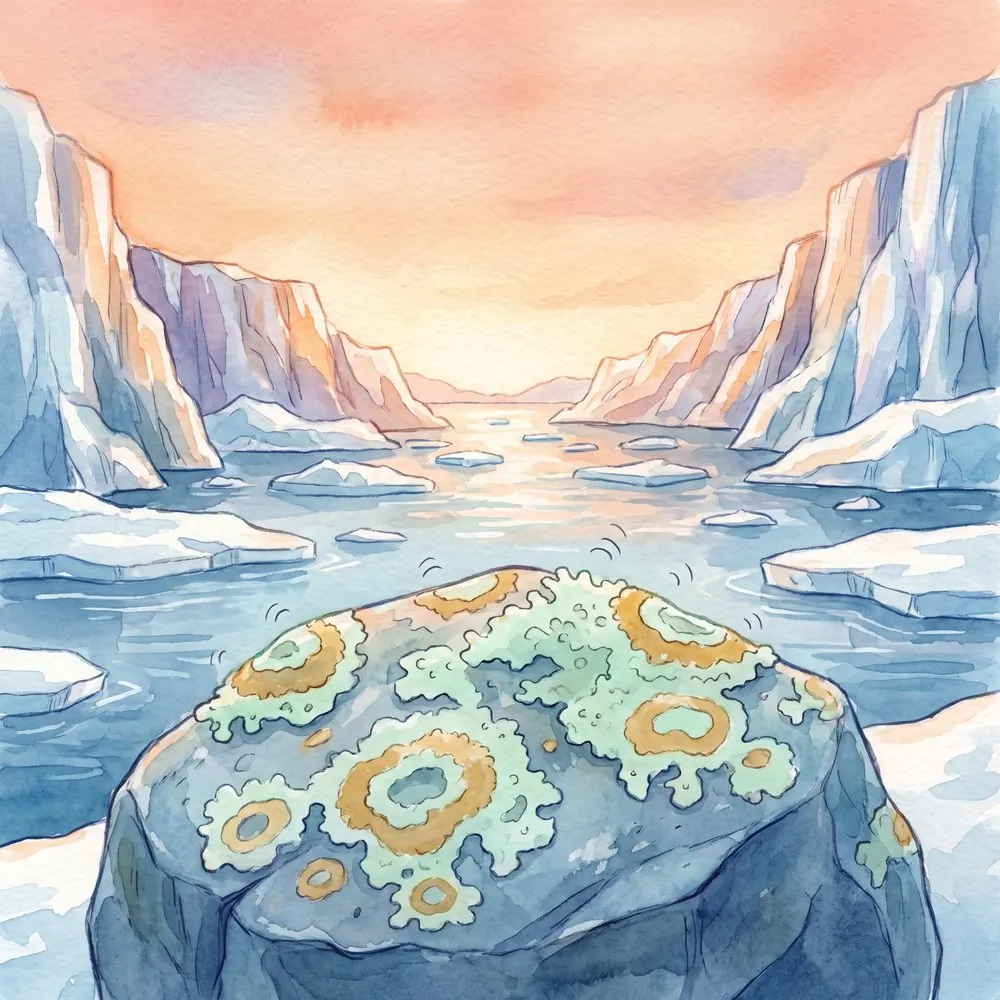
Resonant Lichen

Lichen sonorus

Lives in Frozen Fjord Crystal Caves Depths of Echo

The Resonant Lichens grow on the frozen rocks of the Nordel Fjords. These symbiotic organisms (fungus + alga) have developed a unique ability: they vibrate when they sense changes in the glacial ice.

They give off an almost imperceptible sound, between 15-20 Hz, that the Guardians train for years to hear. This "song of the ice" warns of avalanches, breaking icebergs and cracks in glaciers.

And what if one day the chorus of thousands of lichens changed its note all at once? The Guardians of the ice know that this song never lies.

📊 Scientific Data

  • Size: Colonies from 10 cm to 5 meters
  • Age: Colonies up to 4,000 years old
  • Signal: Vibrations in ice (15-20 Hz)
  • Optimal temperature: -10°C to 5°C
  • Warning time: 2-8 hours before a glacier collapses

See full profile

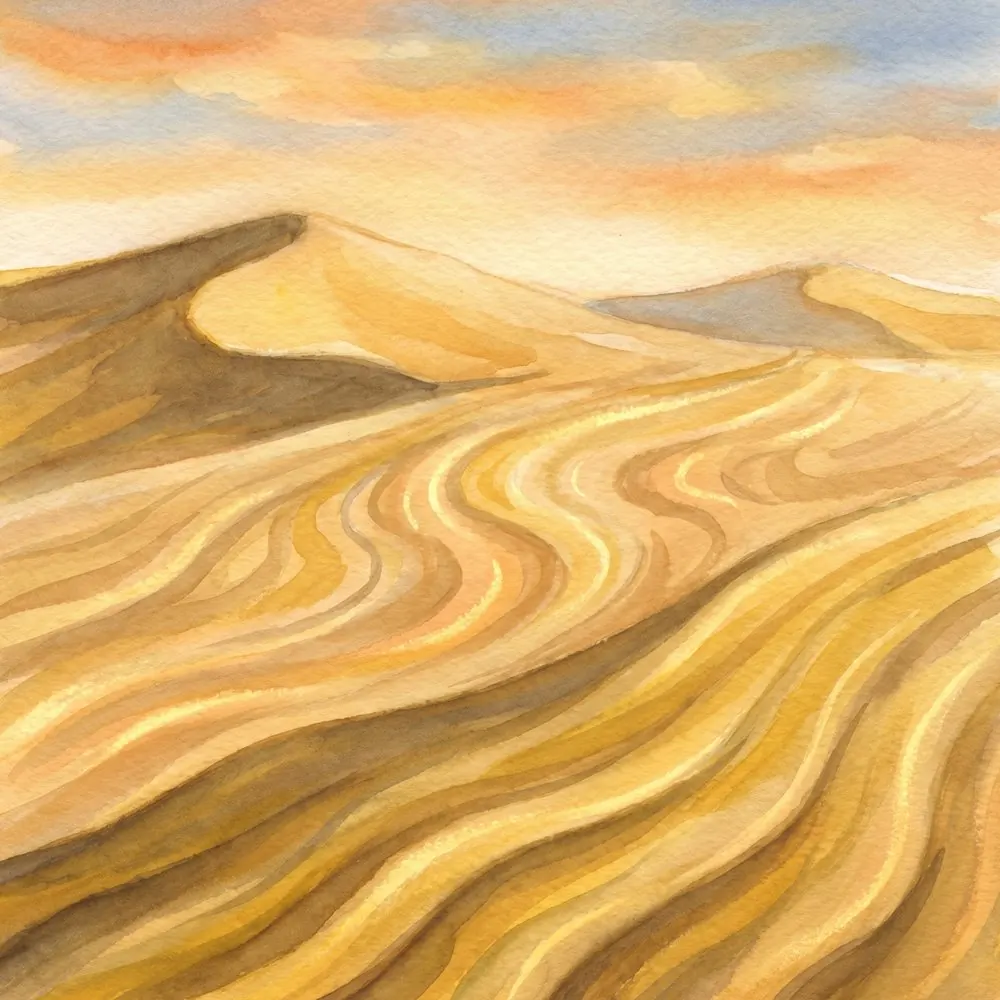
Singing Dunes

Silica harmonica

Lives in Salt Desert

The Singing Dunes are not ordinary plants, but microscopic colonies of algae and bacteria that live among the grains of sand in the Solaria Desert. When the wind blows at a certain speed and direction, the dunes give off a deep, resonant, musical sound.

These "songs" vary with the temperature below the surface: low tones mean cool layers with underground moisture, while high tones point to dry sand with no water nearby. Desert nomads have used these melodies for centuries to find hidden oases.

The oldest nomads swear that the dunes do not only sing to the wind: they also answer the deep tremors of the earth. What will their next symphony be announcing?

📊 Scientific Data

  • Extent: Dunes 20-150 meters high
  • Colony age: Microorganisms renewed every 5-10 years
  • Signal: Sound frequencies (50-300 Hz)
  • Wind speed needed: 15-30 km/h
  • Prediction: Sandstorms 18-24 hours in advance

See full profile

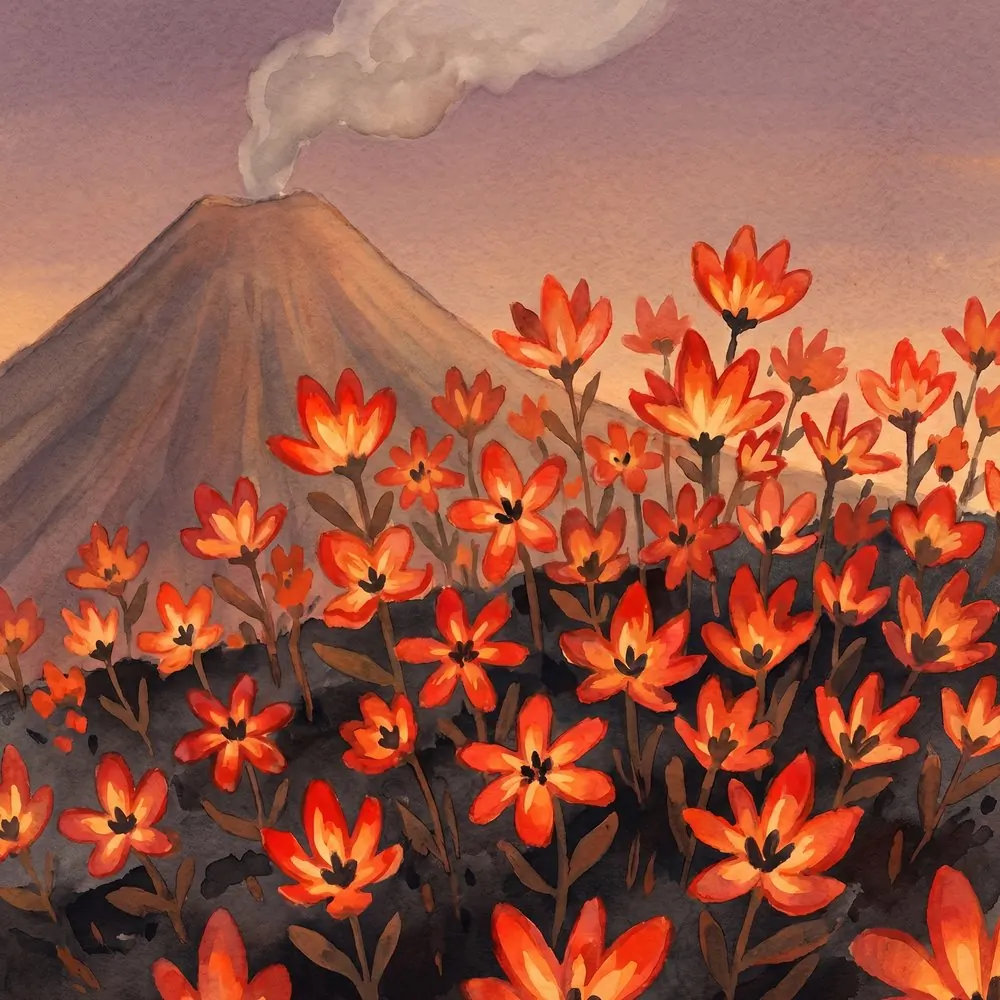
Ash Flowers

Pyranthus vulcanis

Lives in Fire Mountains

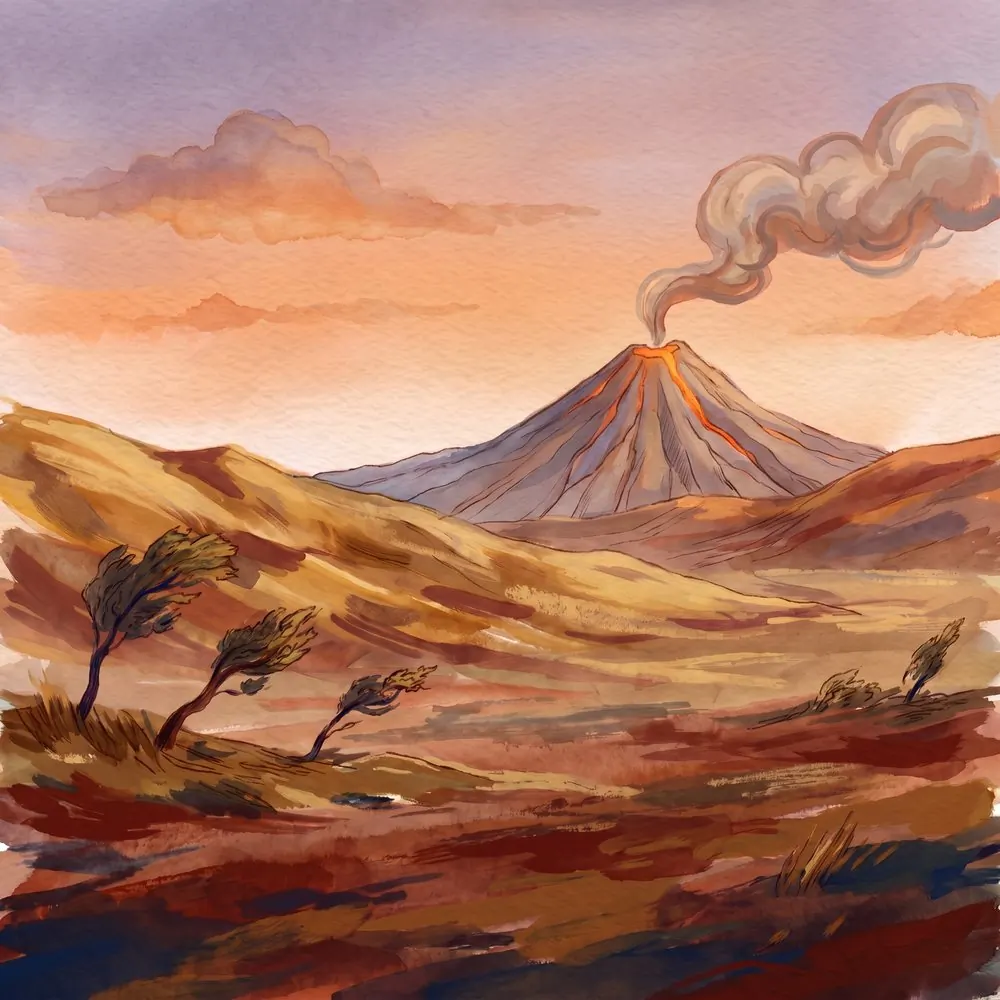
The Ash Flowers are pioneer plants that grow on the volcanic slopes of the Fire Mountains. Their roots dig deep into fresh volcanic soil, sensing changes in temperature and chemistry that come before eruptions.

When magma rises toward the surface, these flowers release a reddish resin that glows in the sunlight, creating luminous fields visible for kilometers. The brighter the glow, the closer the eruption.

They say that when a whole field glows like embers at dusk, the volcano is about to wake. Who will be watching the slope that night?

📊 Scientific Data

  • Height: 30-50 cm
  • Age: 5-15 years (a short life in an extreme place)
  • Signal: Underground temperature changes (+5°C at 50m deep)
  • Luminescence: Triggered 48-72 hours before an eruption
  • Heat resistance: Survive up to 400°C

See full profile

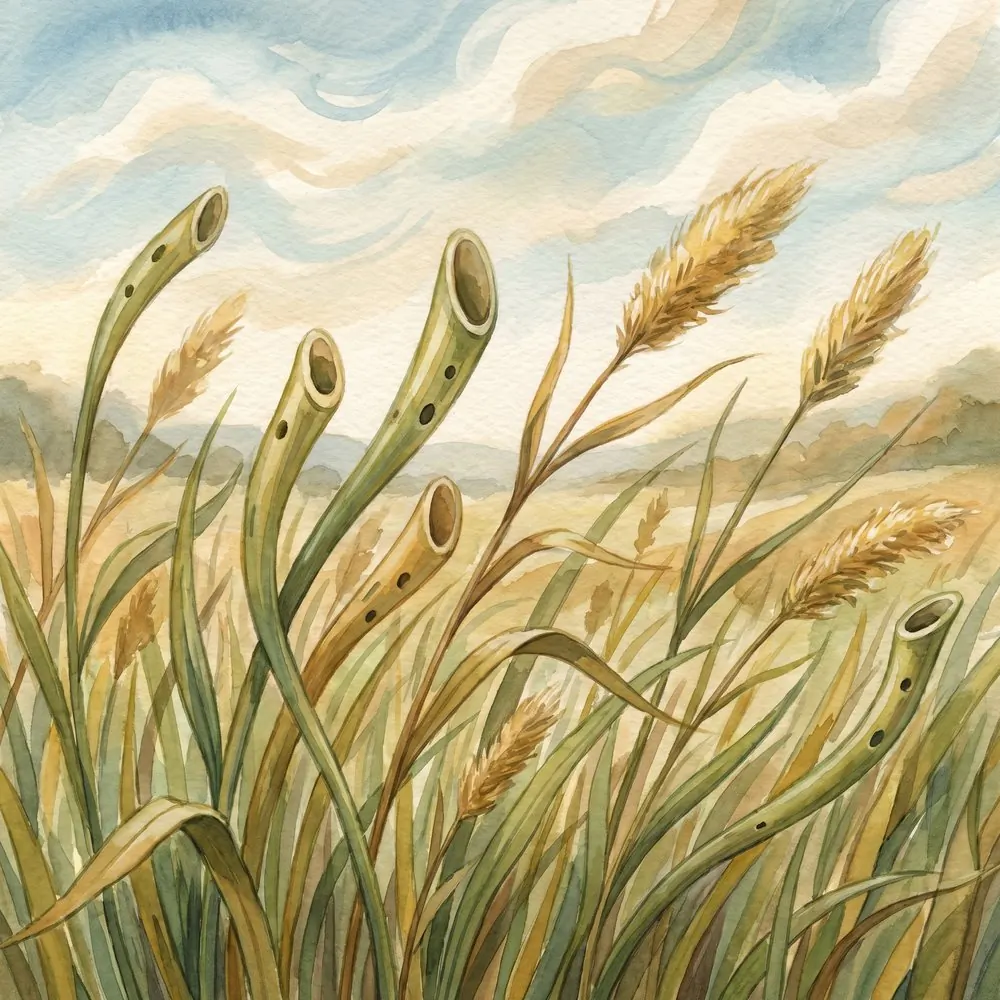
Singing Grass

Gramen melodius

Lives in Ember Plains Central Valley

The Singing Grass covers the vast reaches of the Estelaria Steppe with a green-gold blanket that ripples in the wind. Its hollow stems act as natural flutes, producing different tones with the speed and direction of the wind.

Whole grasslands create complex symphonies that nomadic herders read as weather forecasts: gentle melodies mean fair weather, high whistles announce cold fronts, and chaotic sounds warn of thunderstorms.

The Singing Grass also responds to migrating herds, changing its tone when large groups of grazers draw near, working as an early warning system for the communities.

📊 Scientific Data

  • Height: 40-80 cm
  • Age: Perennial, colonies of 20-50 years
  • Signal: Wind patterns (speed, direction, humidity)
  • Sound frequency: 200-800 Hz
  • Weather prediction: 6-12 hours in advance

See full profile

Compass Flower

Helianthus navigans

Lives in Spring Village Ember Plains Central Valley

The Compass Flower is an adaptable species that grows in many biomes of Equandia. Its most remarkable trait: its petals always point toward magnetic north with astonishing accuracy, even on cloudy days or at night.

The petals hold microscopic crystals of magnetite that line up with the Earth's magnetic field. When they sense geomagnetic disturbances (like those that come before earthquakes or solar storms), the petals spin erratically, signaling that danger is near.

What would it mean if every Compass Flower in a valley spun in wild circles at once? The Guardians would rather not find out too late.

📊 Scientific Data

  • Height: 15-30 cm
  • Age: 3-7 years
  • Signal: Earth's magnetic field (sensitivity ±0.1 nT)
  • Directional accuracy: ±2 degrees from magnetic north
  • Seismic warning time: 2-8 hours before the event

See full profile

Memory Moss

Bryophyta memorialis

Lives in Verdant Forest Frozen Fjord Crystal Caves

The Memory Moss grows on the coastal rocks of the Nordel Fjords, where the high tides leave marks that the moss "remembers." Its cells hold special proteins that record patterns of moisture, creating growth rings that work like a historical record of the tides.

The most experienced Guardians can read these patterns to anticipate unusual tides and tsunamis. The moss also changes color when it senses shifts in the water's saltiness, pointing to unusual ocean currents.

In its oldest colonies there are records of giant tides from centuries ago. Will what the moss still remembers happen again?

📊 Scientific Data

  • Size: Colonies 5-50 cm across
  • Age: Up to 300 years
  • Signal: Changes in saltiness and tide patterns
  • Time memory: Records data from 200+ years
  • Color change: Responds to anomalies within 4-8 hours

See full profile

Seer Coral

Corallium oraculum

Lives in Coral Coast Spring Village Wind Archipelago

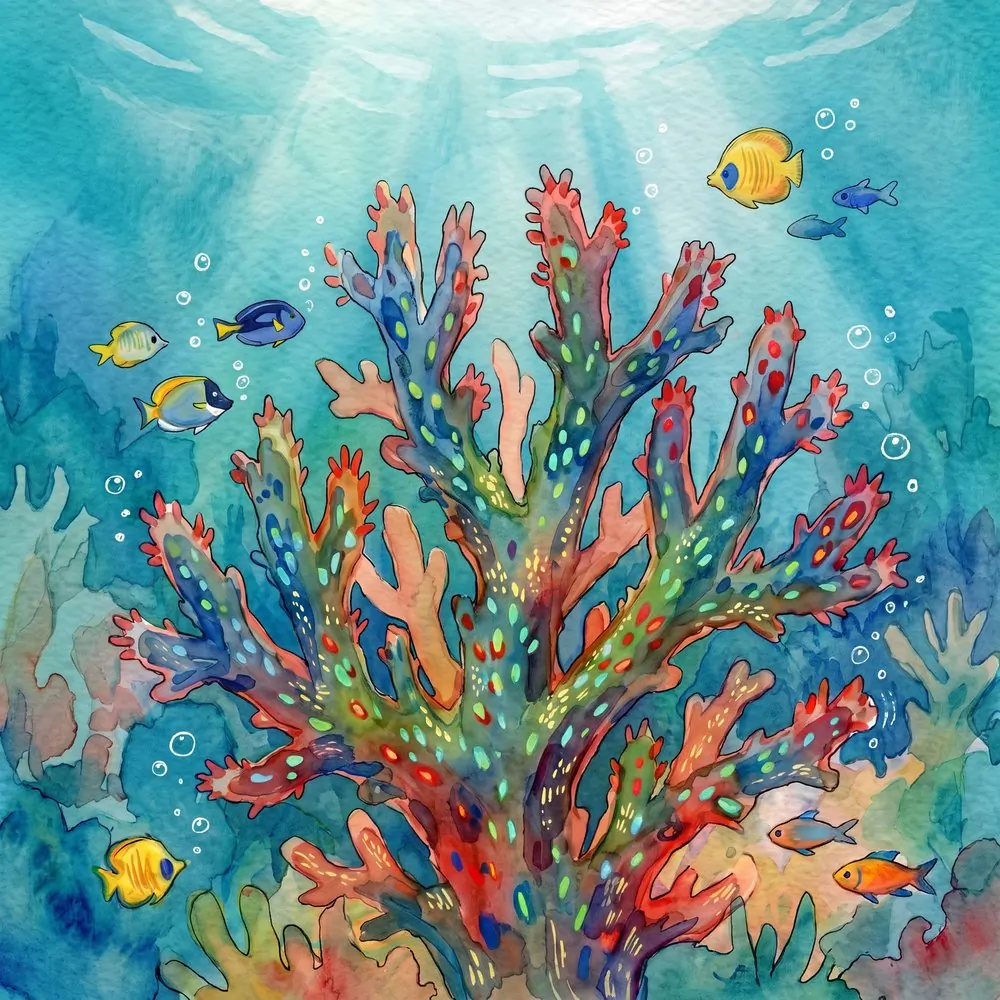
The Seer Coral builds massive reefs in the crystal-clear waters of the Coral Coast. Its polyps contain zooxanthellae (symbiotic algae) that are extremely sensitive to changes in temperature, acidity and ocean currents.

When they sense anomalies that come before extreme weather events, the corals glow in intense colors visible even from the surface: bright blue means unusual cold currents, glowing green points to changes in pH, and deep red warns of a sudden warming of the water.

What would a Guardian do if the whole reef turned red? Far out at sea, something huge would be taking shape.

📊 Scientific Data

  • Colony size: Reefs of 10-500 meters
  • Age: Colonies up to 1,000 years old
  • Signal: Temperature (±0.5°C), pH (±0.1), currents
  • Fluorescence: Triggered 12-36 hours before an event
  • Ecological role: Protects coasts and shelters 25% of marine life

See full profile

Predictor Lotus

Nelumbo divinans

Lives in Central Valley

The Predictor Lotus blooms in the calm waters of the Niloa Delta. Its roots spread deep into the beds of rivers and lagoons, acting as sensors that detect changes in the flow, water temperature and sediment.

When floods or extreme droughts draw near, the lotuses change their blooming cycle: early opening means torrential rains are coming, early closing points to a long drought, and flowers that stay closed all day warn of catastrophic floods.

The elders of the delta say it again and again: if the lotuses do not open for several days in a row, it is time to look upriver. How much water can a closed flower announce?

📊 Scientific Data

  • Height: Stems of 1-2 meters, flowers of 20-30 cm
  • Age: Rhizomes up to 100 years old
  • Signal: River flow, water temperature, sediment
  • Flood prediction: 5-7 days in advance
  • Connection with Aquanis: High sensitivity to vibrations in water

See full profile

Glowing Algae

Phytoplankton luminaris

Lives in Coral Coast Depths of Echo

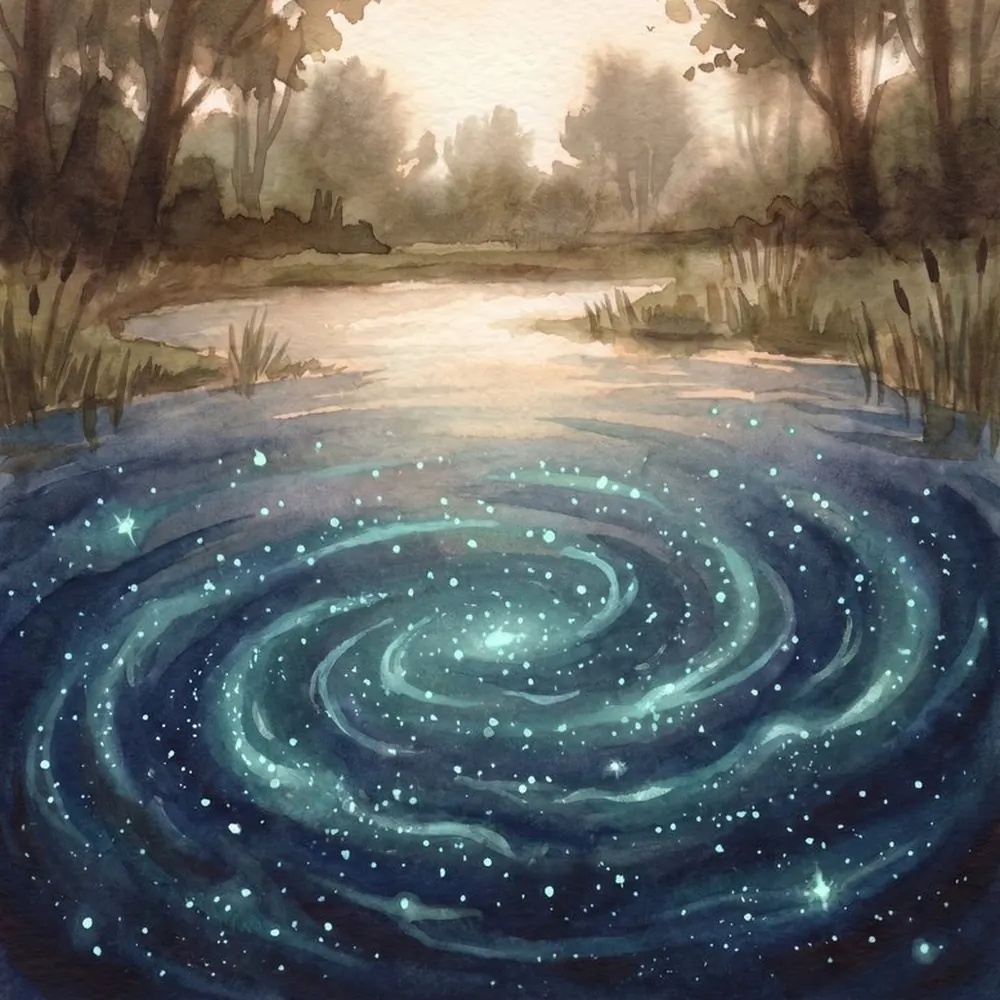
The Glowing Algae is a bioluminescent phytoplankton that lives in the dark waters of the Luminar Wetlands. By day it is invisible, but at nightfall it turns the bodies of water into liquid galaxies of blue-green light.

Its glow rises sharply in response to chemical and biological disturbances: an intense shine means pollution or changes in the makeup of the water, while pulsing patterns point to the movement of large predators or changes in underground currents.

And what if a whole channel suddenly lit up with a blinding light? It would be the water itself crying out that something is wrong.

📊 Scientific Data

  • Size: Microscopic (10-100 micrometers)
  • Density: Up to 10 million cells per liter
  • Signal: Chemical changes, movement, temperature
  • Glow: 100-1000 times brighter when disturbed
  • Ecological role: Base of the aquatic food chain

See full profile

Aurora Lichen

Lichen borealis

Lives in Eternal Glaciers

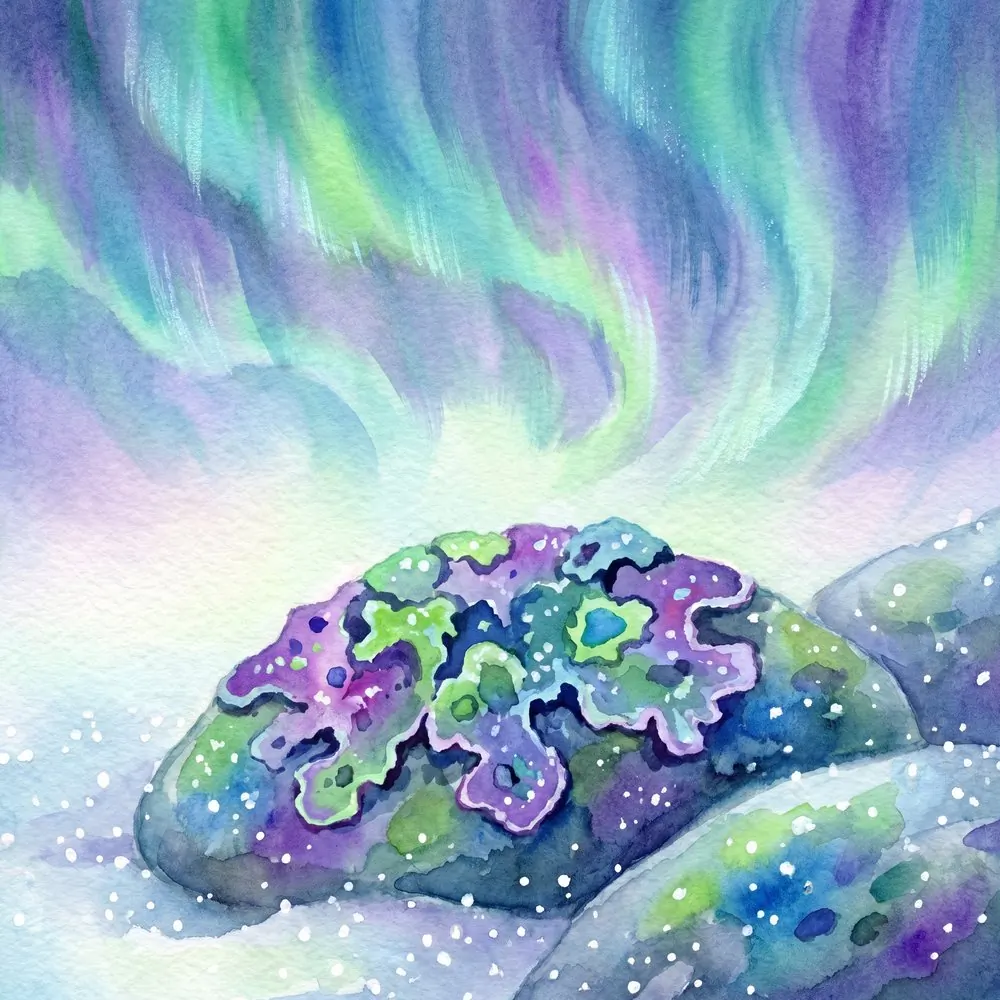
The Aurora Lichen thrives in the extreme conditions of the Borealis Tundra. This symbiotic organism has developed special pigments that glow under the light of the northern lights, creating landscapes that shine in violet, green and blue tones.

Beyond its beauty, the Aurora Lichen is sensitive to cosmic radiation and geomagnetic storms. Its glow grows 48 hours before intense auroras, and changes in its color pattern predict solar storms that can affect communication systems.

What would a blanket of lichen glowing brighter than ever before be announcing? Sometimes the sky sends its warning from the ground.

📊 Scientific Data

  • Size: Colonies 1-10 meters across
  • Age: Up to 5,000 years
  • Signal: Cosmic radiation, geomagnetic activity
  • Fluorescence: Brightness grows 48h before auroras
  • Extreme resistance: Survives -40°C

See full profile

Singing Crystals

Crystallum harmonicus

Lives in Eternal Glaciers The Sleeping City Crystal Caves Depths of Echo

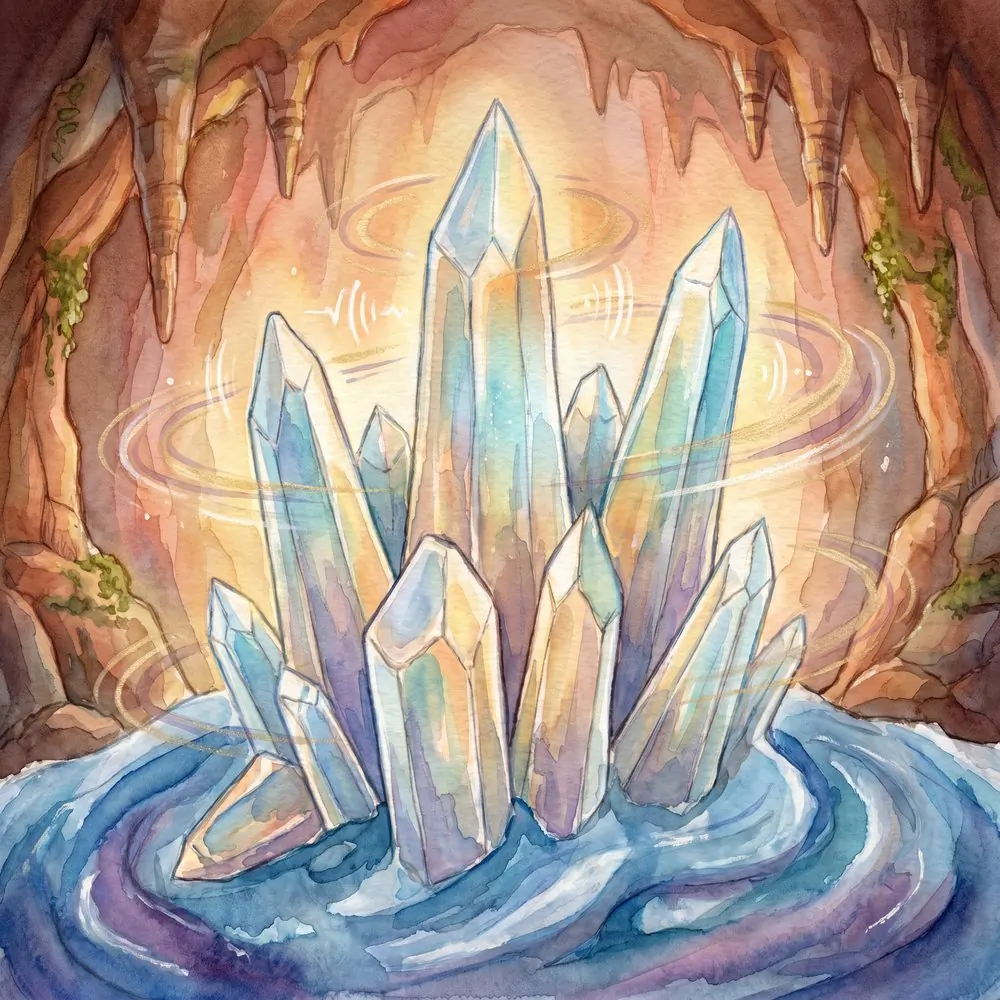
The Singing Crystals are not plants in the usual sense, but ice formations home to extremophile bacteria that grow in the deep layers of the Albor Ice. These bacterial colonies change the crystal structure of the ice, creating formations that vibrate in the wind.

When temperatures shift or the ice is under stress, the crystals give off harmonic tones you can hear for kilometers. Low sounds mean stable ice, high tones point to forming cracks, and sudden silences warn that a collapse is near.

They say the most striking thing is not their song, but their silence. What does it mean when a whole glacier suddenly goes quiet?

📊 Scientific Data

  • Height: Formations of 2-20 meters
  • Age: Bacterial colonies 10-100 years old in ancient ice
  • Signal: Thermal and mechanical stress in ice
  • Frequency: 20-200 Hz
  • Warning time: 6-24 hours before a collapse

See full profile

Memory Baobabs

Adansonia historicus

Lives in Karibu Savanna

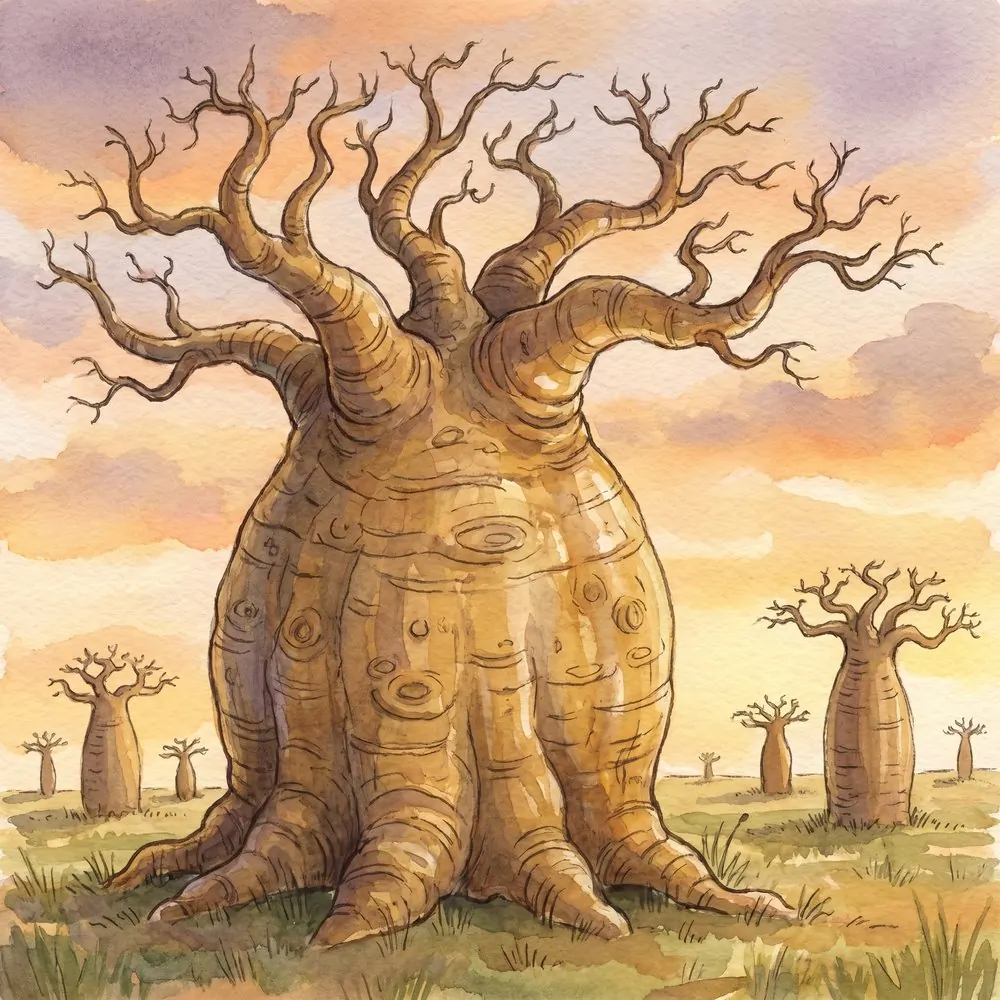
The Memory Baobabs are monumental trees of the Karibu Savanna with trunks that store thousands of liters of water. Their growth rings record centuries of weather patterns, creating a living archive of droughts, floods and environmental change.

When severe droughts draw near, the baobabs sharply cut the flow of sap to their branches, making the leaves turn yellow months earlier than usual. This "predictive memory," based on patterns from the past, warns the communities of water crises to come.

And what if the rings of a thousand-year-old baobab began to repeat the pattern of a great drought from centuries ago? Whoever knows how to read them would have to decide who to warn first.

📊 Scientific Data

  • Height: 20-30 meters, 10-15 meters across
  • Age: Up to 3,000 years
  • Signal: Historical weather patterns, soil moisture
  • Water storage: 100,000+ liters
  • Drought prediction: 3-6 months in advance

See full profile

Ancient Ferns

Pteridium primordialis

Lives in Yanama Jungle Verdant Forest

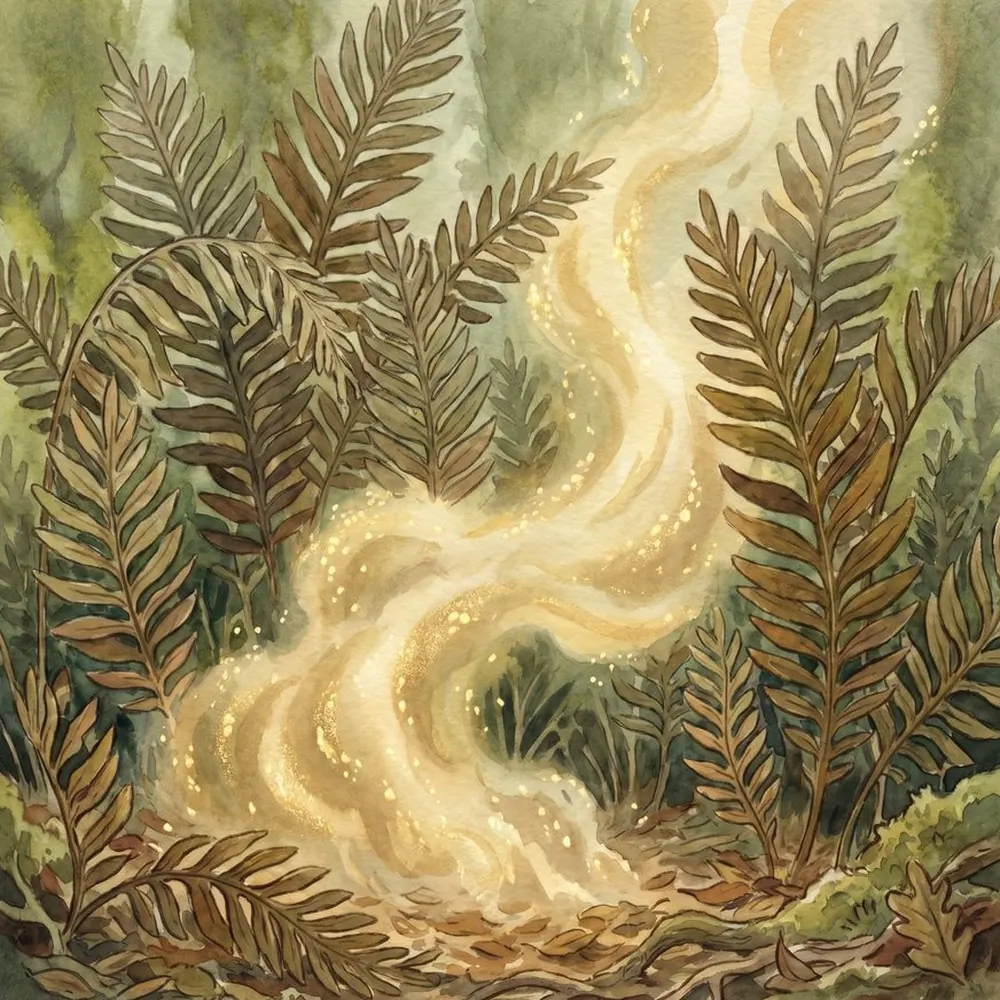
The Ancient Ferns are prehistoric species that have survived unchanged for millions of years in the undergrowth of the Yanama Jungle. Their spores contain chemicals sensitive to ultraviolet radiation and changes in the ozone layer.

When they sense a rise in UV radiation (a signal of solar storms or atmospheric change), the ferns release their spores all at once in a visible golden cloud that covers the forest floor. The thicker the cloud, the greater the disturbance in the atmosphere.

Imagine the forest floor completely covered in golden dust. Beautiful, yes, but also a warning. What could be happening up there, beyond the clouds?

📊 Scientific Data

  • Height: 0.5-2 meters
  • Evolutionary age: A genus 300+ million years old
  • Signal: UV radiation, atmospheric changes
  • Spore release: 24-48 hours before an event
  • Primordial connection: Direct descendants of Terran

See full profile

Mirror Cactus

Opuntia reflexus

Lives in Salt Desert

The Mirror Cactus grows an extraordinarily reflective waxy skin that works as a natural mirror, bouncing back intense sunlight to control its temperature. But its most fascinating adaptation: its reflectiveness changes with the humidity in the air.

In extremely dry conditions, the cactus shines brightly like a polished mirror. When rain or storms draw near, its skin soaks up moisture from the air and turns noticeably dull. A field of Mirror Cacti that loses its shine is a sure sign that rain is on the way.

A field of mirrors going dark is the best news in the desert: the rain is coming. Where would that clue lead you?

📊 Scientific Data

  • Height: 1-3 meters
  • Age: 50-150 years
  • Signal: Air humidity (detects changes of ±5%)
  • Reflectiveness: 70-90% when dry, 20-40% when humid
  • Rain prediction: 12-36 hours in advance

See full profile

Fauna of Equandia

17 creature species that have developed extraordinary senses to read the signals of nature.

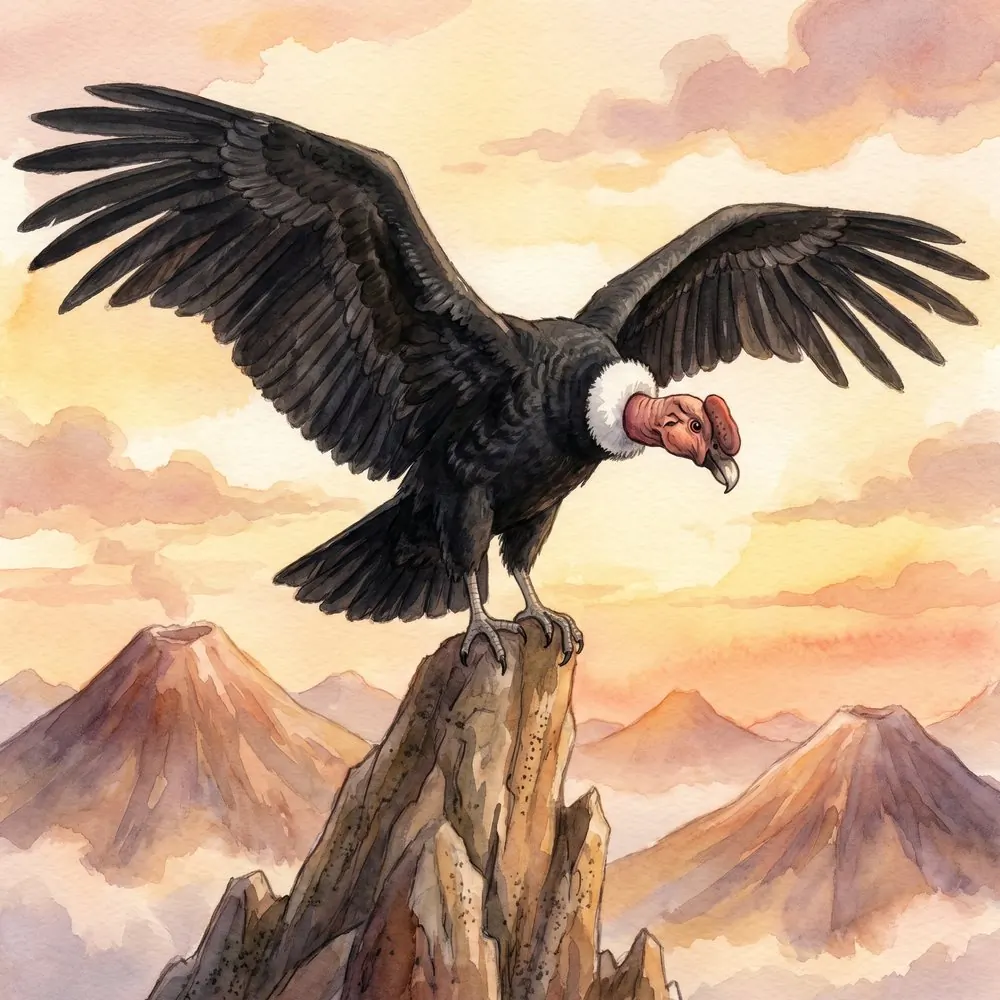
The Fire Mountains, home of the Condor of the Signals

Condor of the Signals

Vultur signum

Lives in Fire Mountains

The Condor of the Signals flies at heights of up to 7,000 meters, where it can sense changes in air currents that foretell storms, volcanic eruptions and severe weather.

Its flight patterns are a language: wide circles mean calm, tight spirals mean a storm is close, and erratic flight signals that volcanic activity is near. The Guardians learn to "read the sky" by watching its movements.

And what if a condor flew in a pattern no one had ever seen before? The Guardians know that ignoring the sky is never an option.

📊 Scientific Data

  • Wingspan: 3.2 meters
  • Weight: 11-15 kg
  • Signal detected: Pressure changes and thermal currents
  • Flight height: 4,000-7,000 meters
  • Warning time: 24-48 hours before a weather event

See full profile

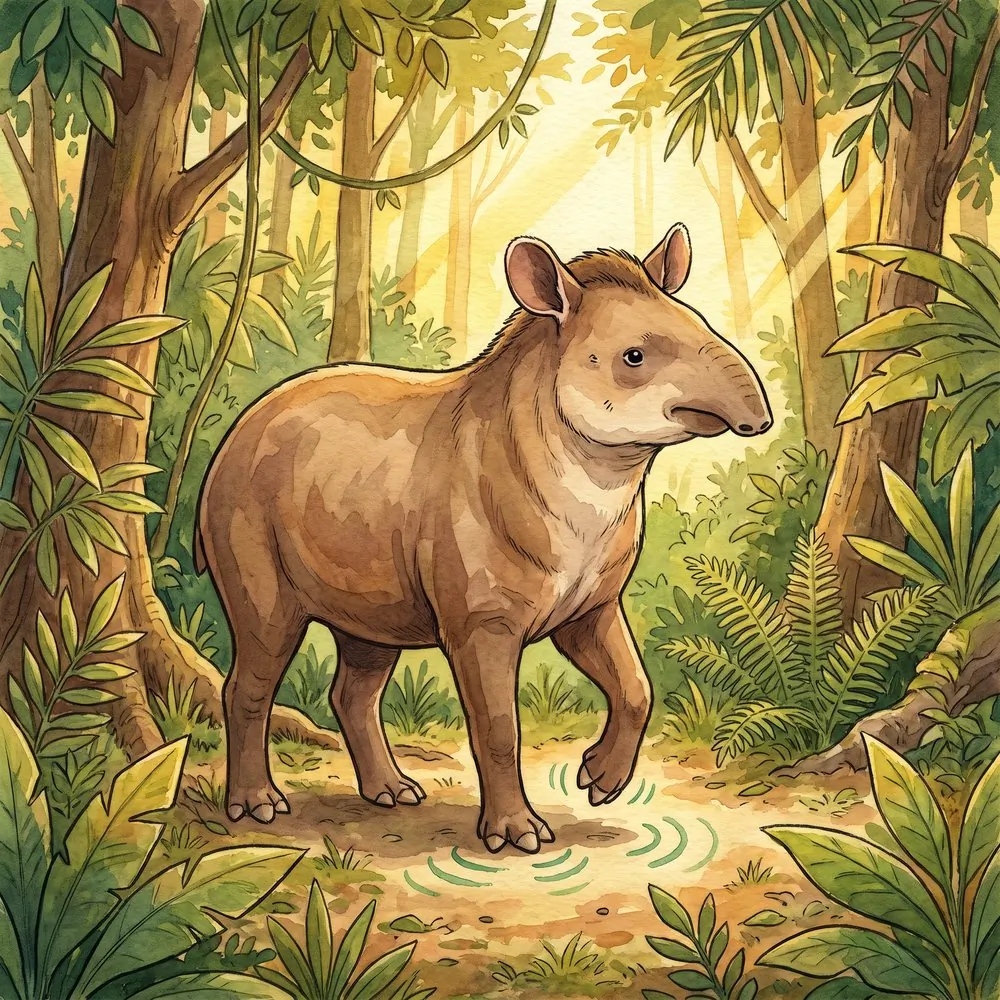
Seismic Tapir

Tapirus terraevoce

Lives in Yanama Jungle Verdant Forest The Sleeping City Depths of Echo

The Seismic Tapir has specially adapted feet with sensitive pads that detect ground vibrations humans cannot feel. It can sense earthquakes up to 100 km away and 6 hours in advance.

When it senses danger, the Tapir runs in the opposite direction from the epicenter, calling out a specific high-pitched sound. Indigenous communities have followed the Tapir for centuries to escape earthquakes.

The Guardians know that reading the plants is not enough: the behavior of the animals confirms just how serious the danger coming their way really is.

📊 Scientific Data

  • Length: 1.8-2.5 meters
  • Weight: 150-300 kg
  • Signal detected: Seismic P waves (6-8 Hz)
  • Sensitivity: Earthquakes M3.0+ at 100 km
  • Warning time: 4-6 hours before the earthquake

See full profile

Singing Dolphin

Delphinus cantus

Lives in Spring Village Coral Coast Wind Archipelago

The Singing Dolphins of the Coral Coast use advanced echolocation to detect changes in ocean currents, unusual tides and tsunamis. Their song changes in tone and frequency with the danger they sense.

A low, slow song: calm waters. A high, fast song: a storm is close. A chaotic, erratic song: a tsunami or a toxic red tide. Equandian fishermen never head out to sea without first listening to the "dawn concert."

What would you do if the dawn concert suddenly turned into a desperate chorus? On the coast, every minute counts.

📊 Scientific Data

  • Length: 2-2.5 meters
  • Weight: 80-150 kg
  • Signal detected: Changes in currents and underwater pressure
  • Song frequency: 2,000-20,000 Hz
  • Warning time: 20-60 minutes before a tsunami

See full profile

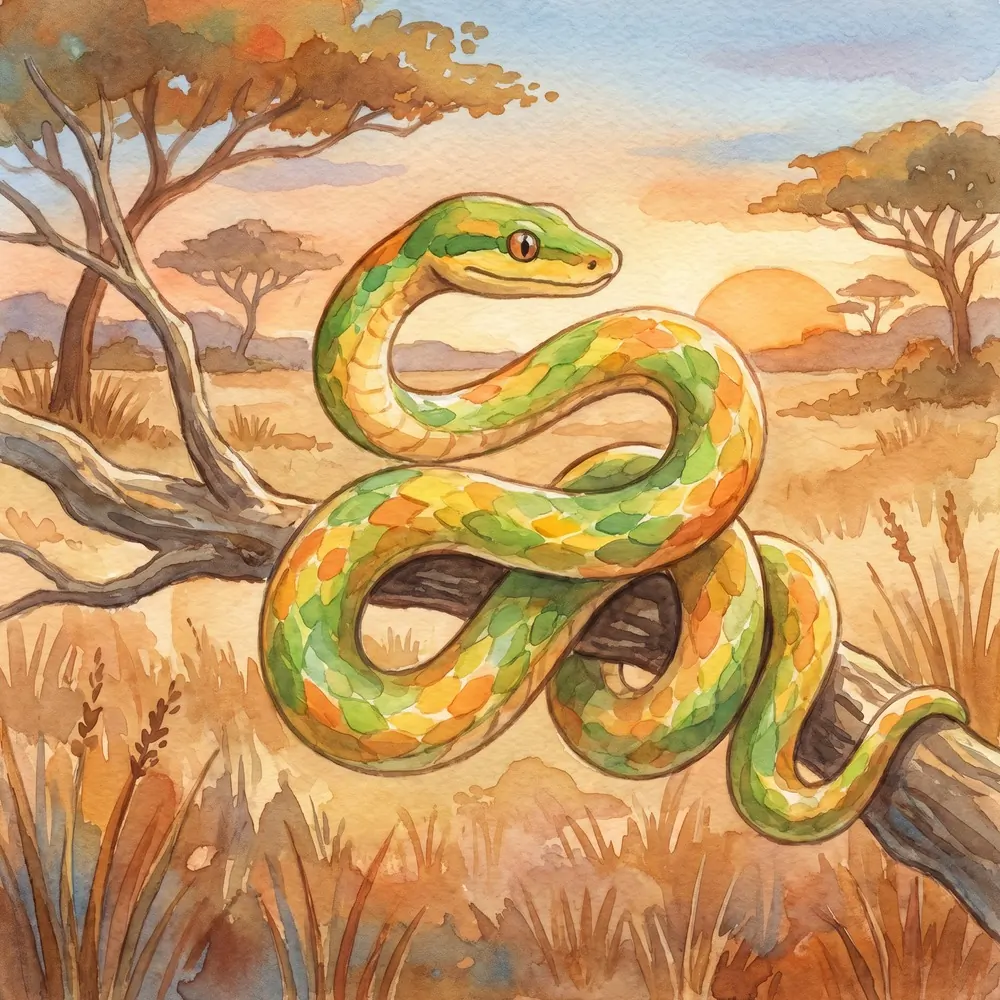
Barometer Snake

Serpens pressura

Lives in Ember Plains The Sleeping City

The Barometer Snake of the Karibu Savanna is sensitive to the smallest changes in atmospheric pressure. Its skin changes color with the humidity and pressure of the air, working like a living barometer.

Bright green: high pressure, steady weather. Yellow: pressure falling, rain close by. Deep orange: a thunderstorm is near. The snakes seek shelter underground 12 hours before severe storms, a sign the people of the savanna never ignore.

Hundreds of snakes hiding at the same time can only mean one thing. Would there be enough time to get everyone to safety?

📊 Scientific Data

  • Length: 1.2-1.8 meters
  • Weight: 2-4 kg
  • Signal detected: Atmospheric pressure (accuracy ±0.5 hPa)
  • Color change: Responds to a weather shift within 2-4 hours
  • Warning time: 8-12 hours before a severe storm

See full profile

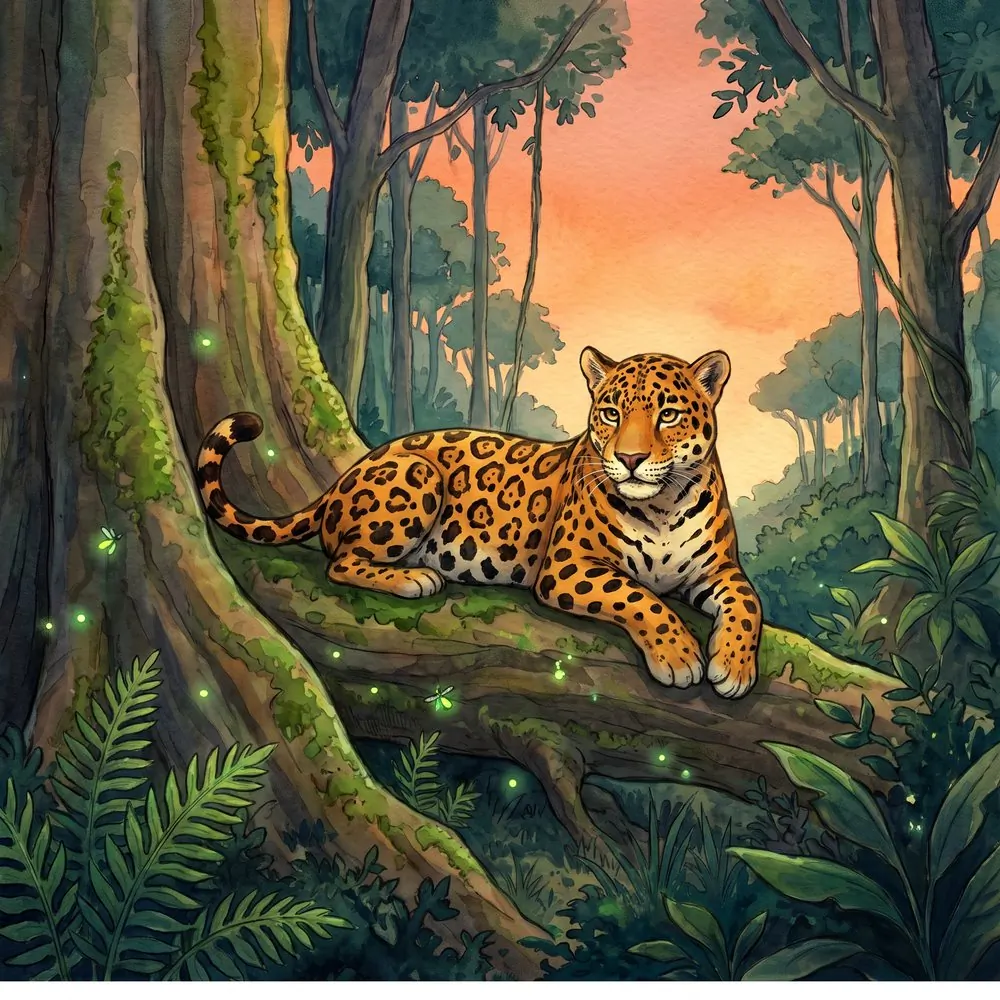
Shadow Jaguar

Panthera umbralis

Lives in Yanama Jungle

The Shadow Jaguar is the most mysterious cat in Equandia, a dweller of the deepest parts of the Yanama Jungle. Its jet-black coat with barely visible spots lets it move like a ghost through the dense vegetation. But its most extraordinary trait is its connection with Terran.

The Shadow Jaguars can feel disturbances in the living fabric of the forest before any other creature. When the jungle is in danger (whether from fire, illegal logging or pollution), these jaguars let out ultrasonic roars that echo for kilometers, alerting both animals and Guardians.

Those who have met its gaze say that "listening to the jungle" means sensing with every sense, not just with your ears. It is a critically endangered species: only about 300 individuals remain on record. What more might the jaguars know that no one has ever learned to ask them?

📊 Scientific Data

  • Length: 1.8-2.3 meters (including tail)
  • Weight: 80-120 kg
  • Signal detected: Ecological disturbances, plant stress
  • Ultrasonic roar: 18-22 kHz (inaudible to humans)
  • Population: ~300 individuals on record
  • Connection with Terran: The highest level, a "Natural Guardian"

See full profile

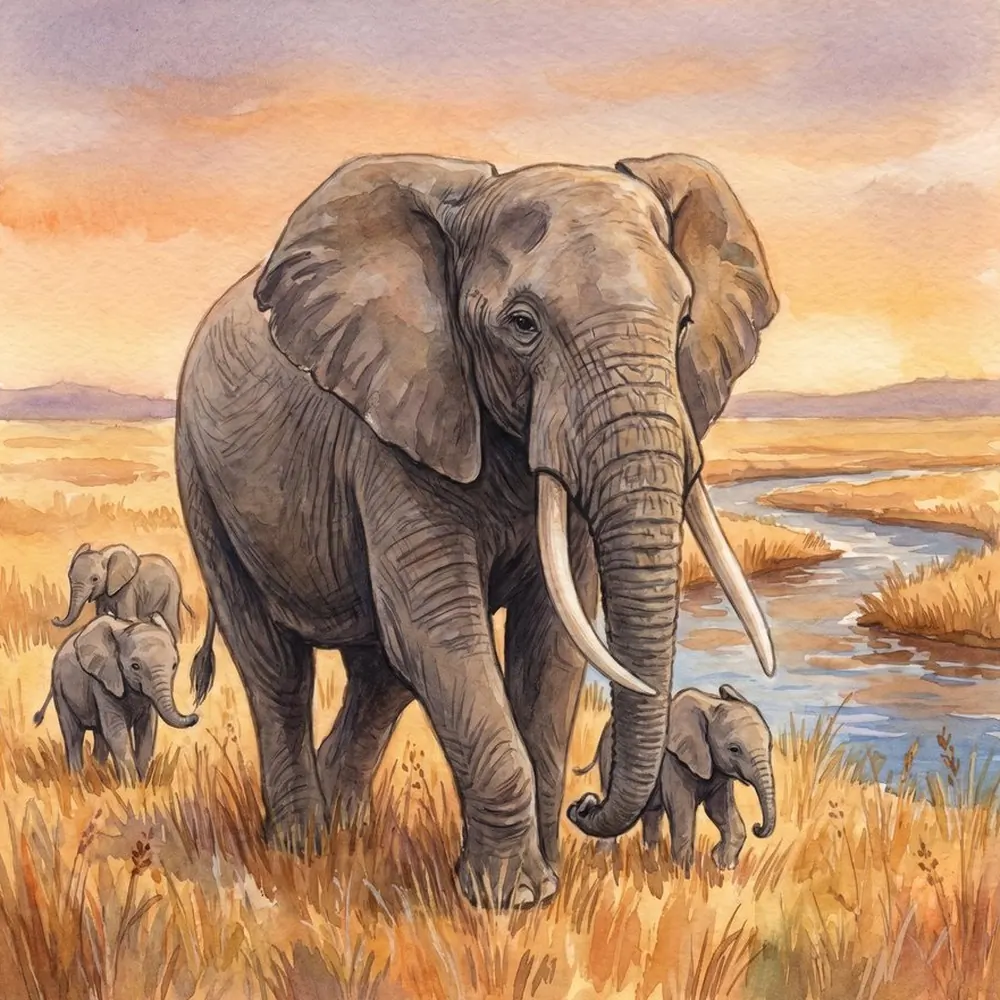
Memory Elephants

Loxodonta recordans

Lives in Karibu Savanna

The Memory Elephants are the matriarchs of the Karibu Savanna, keepers of ancient knowledge passed down from generation to generation over thousands of years. Their highly developed brains store mental maps of water sources, migration routes and weather patterns going back centuries.

The most remarkable part: when a drought draws near, the matriarchs guide their herds to water holes that were last used during the previous severe drought, decades ago. This "geographic memory" has saved countless lives, both animal and human, since nomadic communities follow the herds during water crises.

The elephants also communicate through infrasound (frequencies below 20 Hz) that travels up to 10 kilometers, creating a network of information that alerts other herds to dangers, water and food.

📊 Scientific Data

  • Height: 3-4 meters at the shoulder
  • Weight: 4,000-7,000 kg
  • Signal detected: Weather patterns, underground water sources
  • Infrasound communication: 14-24 Hz, range of 10 km
  • Lifespan: 60-70 years
  • Spatial memory: Mental maps of 1,000+ km²

See full profile

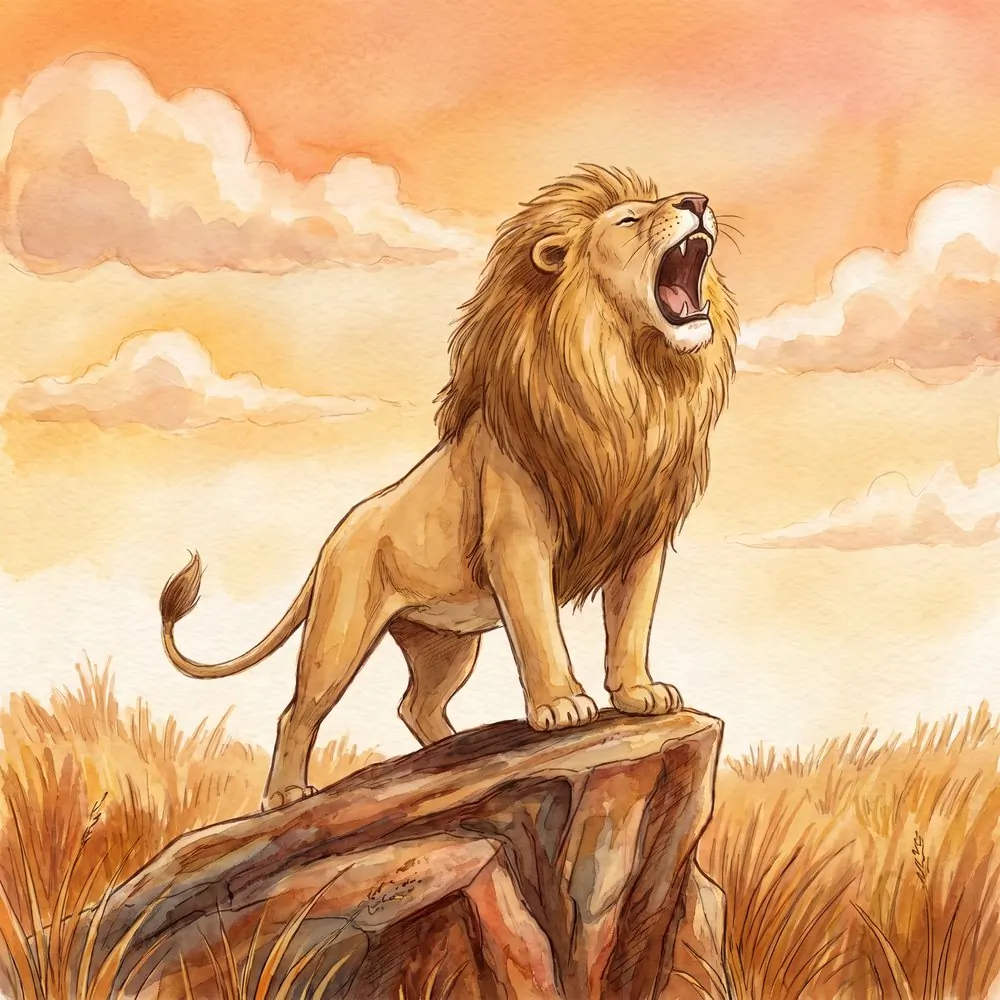
Messenger Lions

Panthera leo vocalis

Lives in Karibu Savanna

The Messenger Lions are top predators of the Karibu Savanna with an extraordinarily complex communication system. Their roars are not simple territorial calls, but coded messages that carry specific information about prey, dangers and conditions in the environment.

Different roar patterns mean different situations: short, repeated roars signal a successful hunt, long, modulated roars warn of rival predators (like hyenas or leopards), and complex sequences of roars mixed with growls warn of dangers in the environment such as savanna fires.

The lion prides form coalitions that cover territories of hundreds of square kilometers, creating an early warning network that benefits the whole ecosystem. When one lion senses smoke or fire, its alarm roar spreads from pride to pride, setting off mass evacuations of grazing animals.

📊 Scientific Data

  • Length: 2.5-3.3 meters (males)
  • Weight: 150-250 kg (males), 120-180 kg (females)
  • Signal detected: Herd movement, fires, predators
  • Roar: 114 dB, audible up to 8 km
  • Vocabulary: 12+ distinct roar patterns
  • Social structure: Prides of 10-30 individuals

See full profile

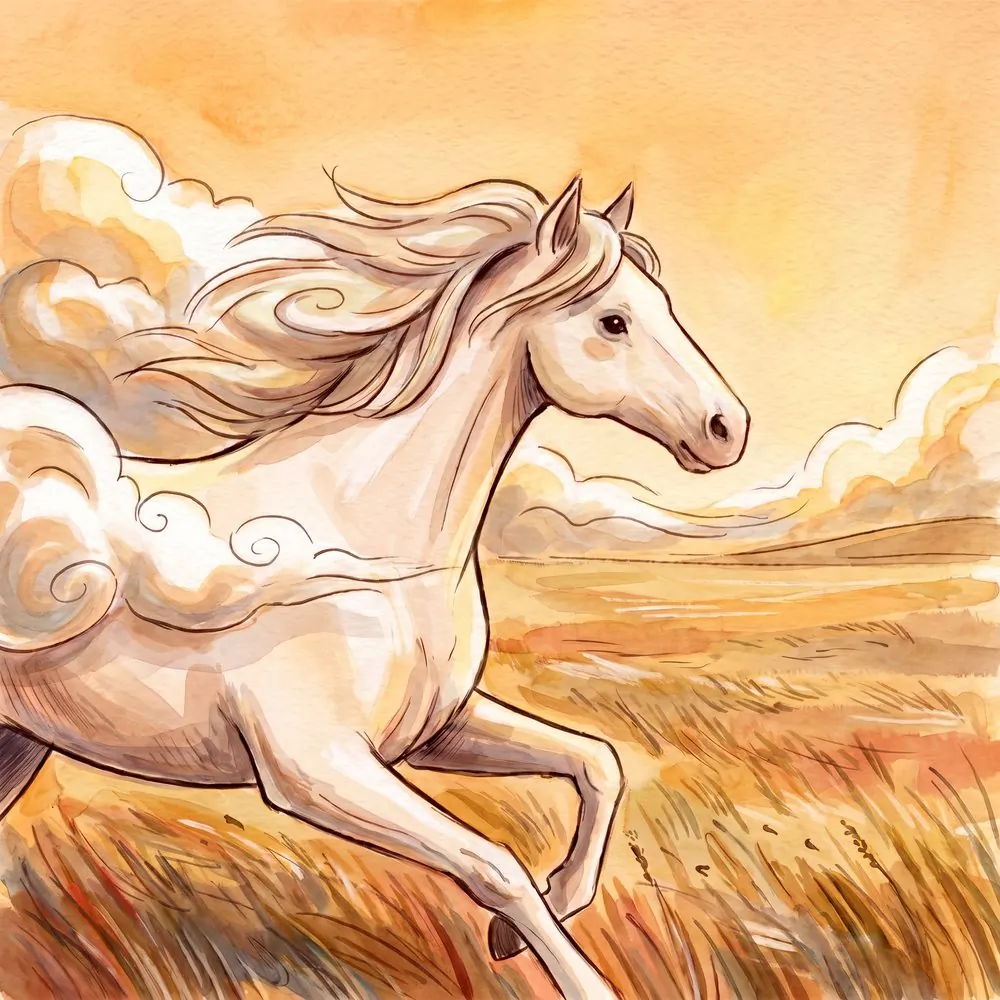
Wind Horses

Equus ventus

Lives in Ember Plains

The Wind Horses are wild equids that roam the vast reaches of the Estelaria Steppe in herds that can reach hundreds of individuals. Their name comes from their incredible speed and their ability to predict changes in the wind patterns with astonishing accuracy.

These horses have a highly sensitive balance system that detects the smallest changes in air pressure. When storms or cold fronts draw near, the herds regroup into specific formations: tight circles mean a storm is near, migrating lines point to strong winds, and chaotic scattering warns of tornadoes.

The nomadic peoples of the Estelaria Steppe have followed the Wind Horses for thousands of years, trusting their patterns of movement to avoid deadly storms and find fertile grasslands. In modern times, meteorologists check reports of herd sightings to confirm their forecasts.

📊 Scientific Data

  • Height: 1.4-1.6 meters at the shoulder
  • Weight: 300-450 kg
  • Signal detected: Pressure changes, wind patterns
  • Top speed: 70 km/h sustained
  • Herd size: 50-500 individuals
  • Weather prediction: 18-36 hours in advance

See full profile

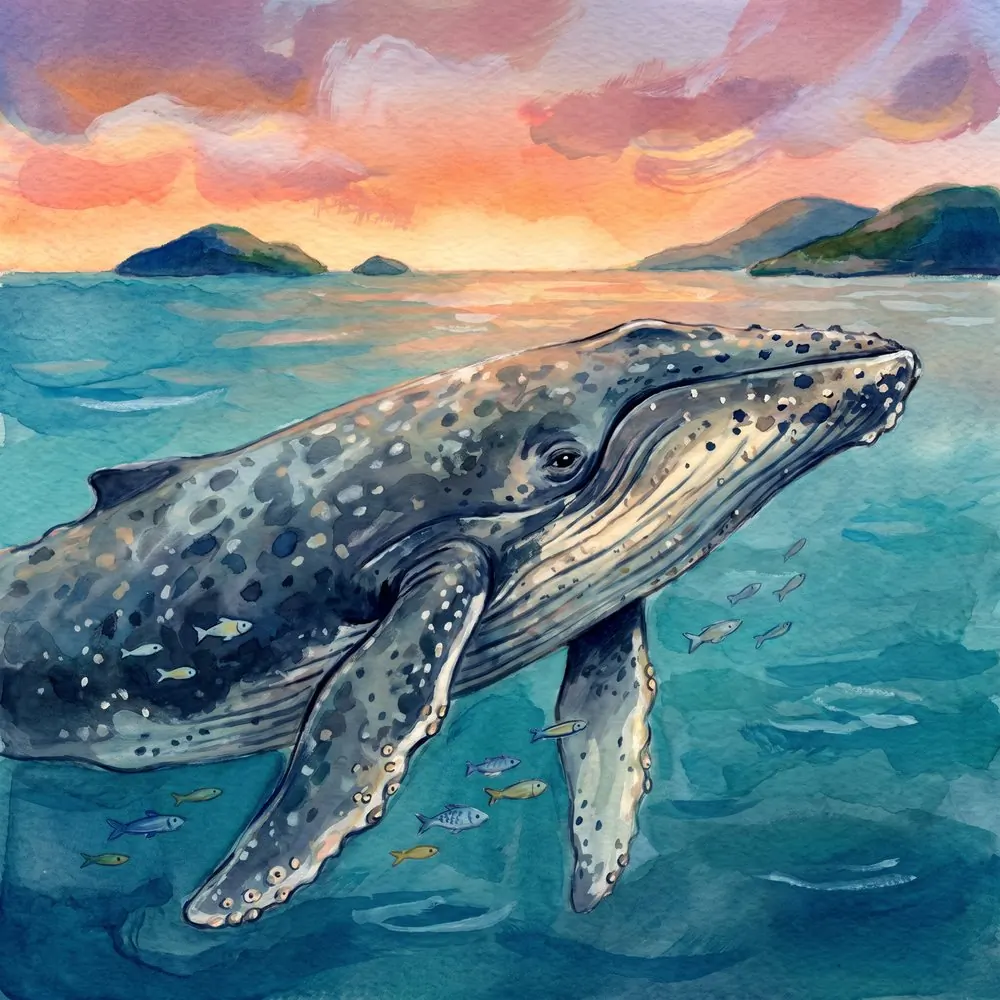
Guide Whales

Balaena navigans

Lives in Wind Archipelago Frozen Fjord

The Guide Whales are giant cetaceans that migrate each year between the tropical waters and the Nordel Fjords. They have the most precise navigation system in the animal kingdom, based on magnetoreception, ocean currents and mental maps of the seafloor.

During their migrations, the whales give off complex songs that work as "sound maps" for other sea creatures. Different frequencies describe safe routes, areas rich in food and dangerous zones with predators or treacherous currents.

When undersea earthquakes or tsunamis draw near, the Guide Whales dramatically change their migration routes, swimming toward deep water and giving off ultra-low alarm songs (5-10 Hz) that are picked up by submarines and ocean monitoring systems. This behavior has saved coastal populations on many occasions.

📊 Scientific Data

  • Length: 15-20 meters
  • Weight: 30,000-50,000 kg
  • Signal detected: Undersea seismic activity, unusual currents
  • Song: 5-500 Hz, audible 1,000+ km underwater
  • Migration: Routes of 10,000+ km a year
  • Seismic warning time: 2-6 hours before a tsunami

See full profile

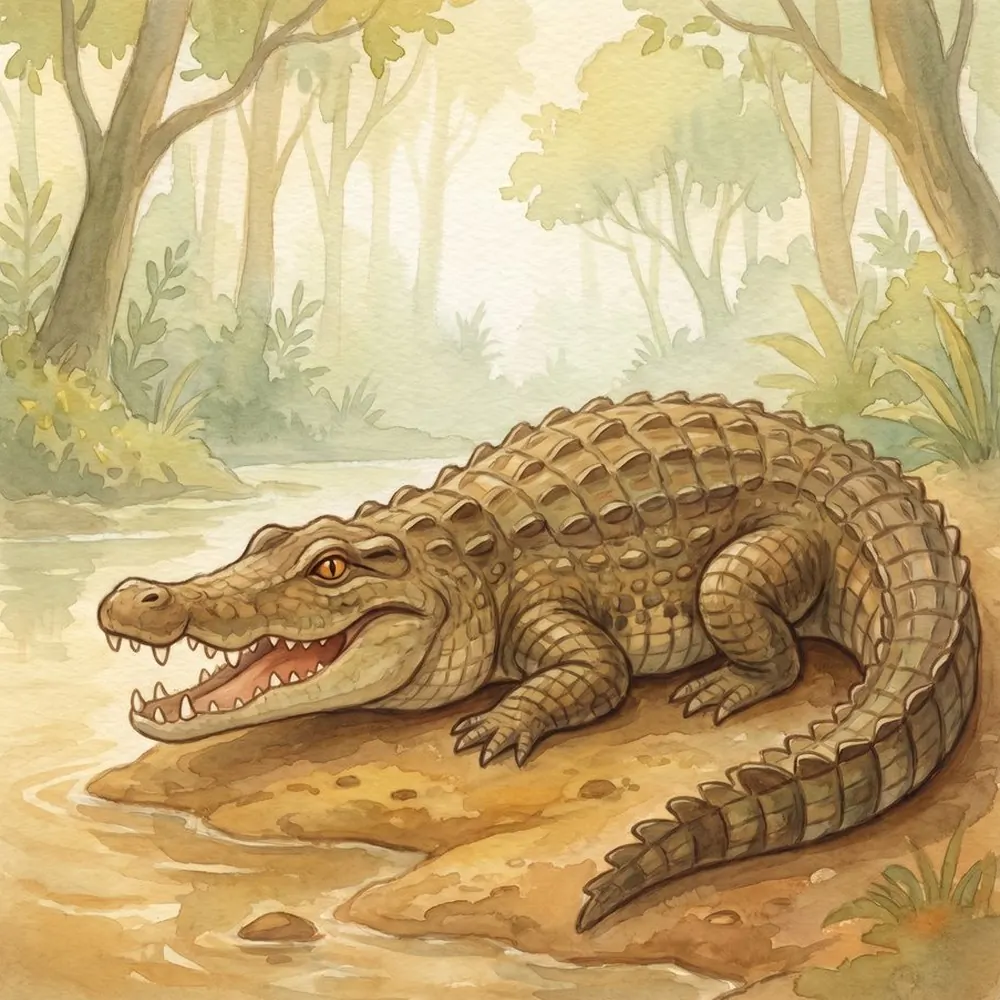
Ancestral Crocodile

Crocodylus antiquus

Lives in Niloa Delta

The Ancestral Crocodile is a massive reptile that has stayed almost unchanged for 200 million years. It lives in the murky waters of the Niloa Delta, where it acts as a sentinel of the river cycles and a guardian of the ecological balance.

These crocodiles have an extraordinary sensory system: sensory organs in their jaws detect vibrations in the water with microscopic precision, letting them sense changes in currents, temperature and the chemistry of the water days before they become obvious.

When catastrophic floods draw near, the Ancestral Crocodiles leave their watery territories and move inland, looking for higher ground. This behavior, extremely unusual for reptiles so tied to the water, is a sure sign that the river is about to burst its banks violently.

📊 Scientific Data

  • Length: 5-7 meters
  • Weight: 800-1,500 kg
  • Signal detected: Changes in flow, water temperature, sediment
  • Sensory organs: 4,000+ receptors in the jaws
  • Lifespan: 80-100 years
  • Flood prediction: 3-5 days in advance

See full profile

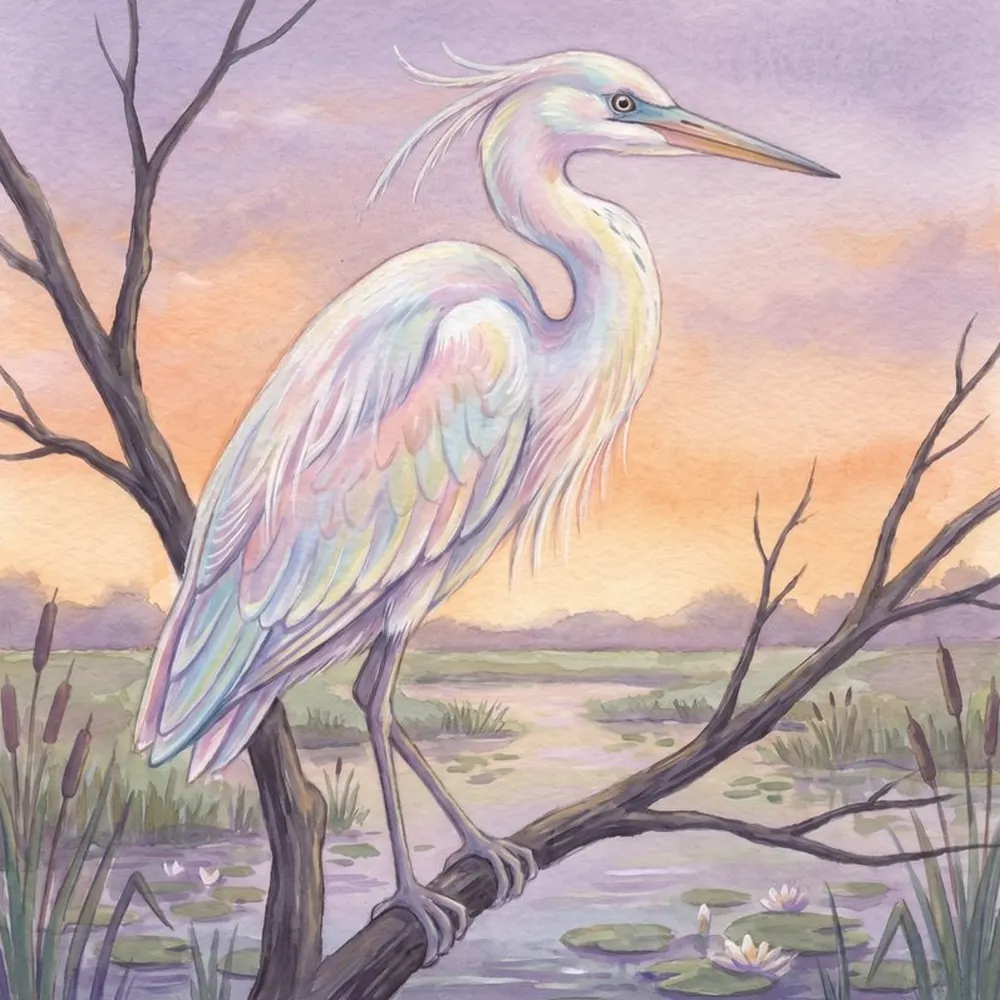
Messenger Heron

Ardea communicans

Lives in Wind Archipelago Central Valley

The Messenger Heron is a slender bird with iridescent white plumage that lives in the marshes of the Luminar Wetlands. Unlike other herons, this species has developed a unique migratory behavior: it flies between different bodies of water carrying biological information.

The herons feed in many lagoons over the course of days, and their digestive system keeps traces of microorganisms, algae and chemicals from each place. When they reach new bodies of water, they release these samples, creating a system of "information exchange" that warns of pollution, toxic algal blooms or ecological imbalances.

The Messenger Herons also have an extraordinary spatial memory and always return to the same lagoons in predictable patterns. When they change their routes dramatically, it is a sign that something serious has happened in their home habitat: pollution, drought or the presence of unusual predators.

📊 Scientific Data

  • Height: 90-110 cm
  • Wingspan: 1.6-1.9 meters
  • Signal detected: Water quality, pollution, ecological imbalances
  • Daily route: Visits 5-10 bodies of water
  • Spatial memory: Remembers 50+ exact locations
  • Ecological role: Bioindicator of wetland health

See full profile

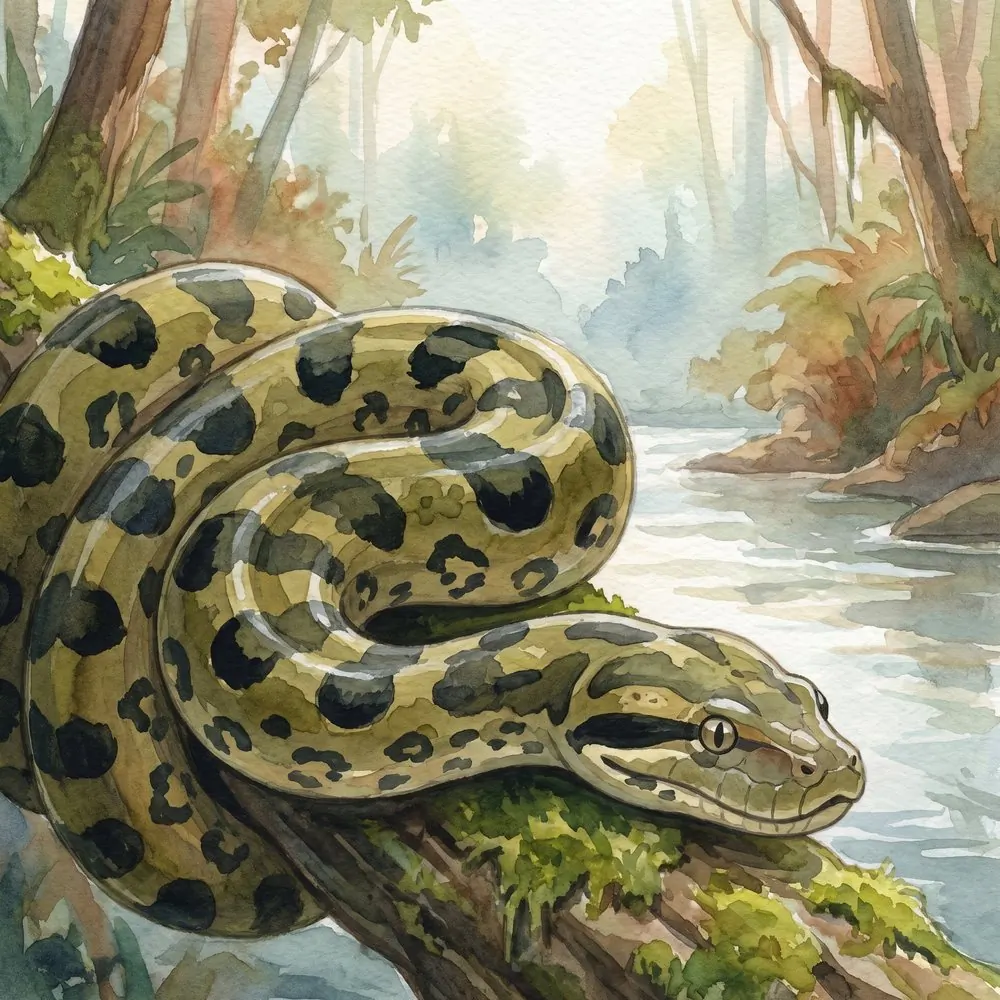
River Anaconda

Eunectes fluvialis

Lives in Yanama Jungle

The River Anaconda is the largest snake in Equandia, reaching lengths of up to 8 meters. It lives in the dark waters of the Luminar Wetlands, where it plays a crucial role as a top predator that keeps populations of fish, caimans and mammals in balance.

What makes this anaconda special is its sensitivity to chemical changes in the water. Its forked tongue detects the tiniest amounts of industrial chemicals, pesticides or heavy metals that point to pollution. When it finds polluted waters, the anaconda leaves that territory and does not return for years.

The Guardians watch the River Anaconda populations as indicators of environmental health. An area of the wetlands where the anacondas suddenly vanish is a sign that pollution has reached critical levels, calling for immediate investigation and cleanup.

📊 Scientific Data

  • Length: 5-8 meters
  • Weight: 70-150 kg
  • Signal detected: Chemical pollution, heavy metals
  • Chemical sensitivity: Detects pollutants in parts per billion
  • Lifespan: 20-30 years
  • Ecological role: Bioindicator and top predator

See full profile

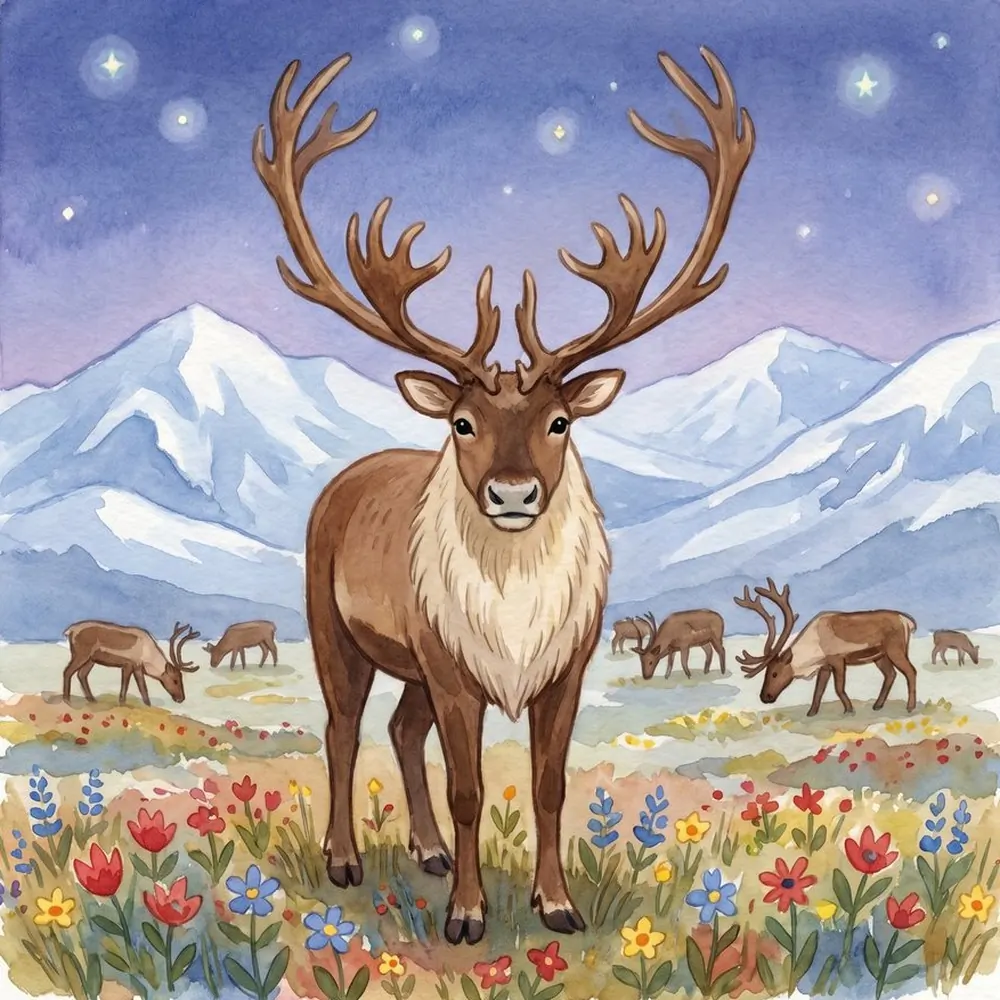
Prophet Caribou

Rangifer oraculum

Lives in Eternal Glaciers

The Prophet Caribou is a migratory species that travels thousands of kilometers across the Borealis Tundra following ancient patterns. Its most remarkable trait: the ability to predict harsh winters months in advance, adjusting its migration routes to avoid areas that will be cut off by extreme snow.

The caribou detect subtle changes in the vegetation, wind patterns and insect behavior that let them "read" the weather to come. When a herd changes its usual route dramatically, the indigenous communities know they must prepare for an especially hard winter.

The Prophet Caribou also have a symbiotic relationship with the lichens of the tundra: as they feed, they spread spores that regrow the vegetation. This ecological bond is so crucial that the loss of the caribou would cause whole ecosystems to collapse.

📊 Scientific Data

  • Height: 1.2-1.5 meters at the shoulder
  • Weight: 150-300 kg
  • Signal detected: Seasonal weather patterns, food availability
  • Migration: Routes of 3,000-5,000 km a year
  • Herd size: 500-5,000 individuals
  • Weather prediction: 2-4 months in advance

See full profile

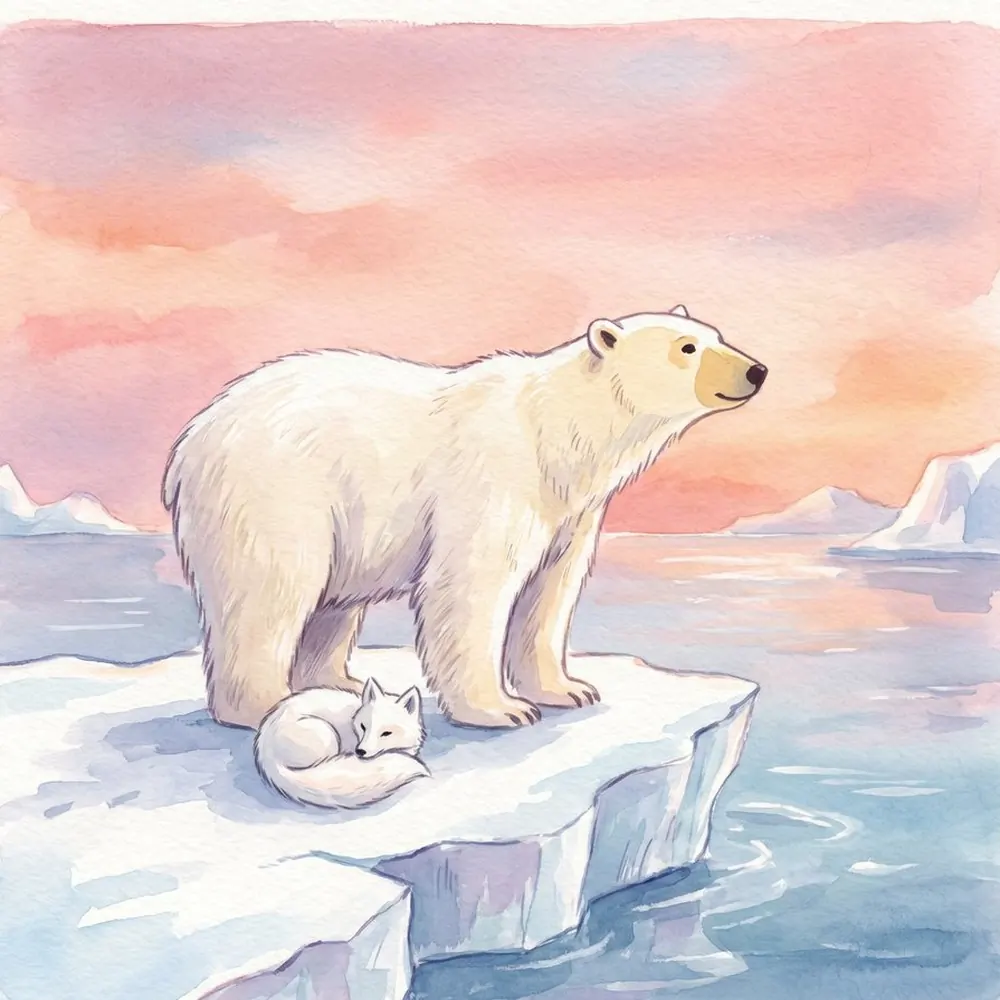
Watchman Polar Bear

Ursus maritimus vigilans

Lives in Eternal Glaciers Frozen Fjord

The Watchman Polar Bear is the super-predator of the Albor Ice, perfectly adapted to the most extreme conditions on the planet. Its dense white coat camouflages it in the ice, while a 10 cm layer of fat shields it from temperatures that reach -50°C.

These bears have such a keen sense of smell that they can detect seals under a meter of ice and kilometers away. But more impressive still: they can "smell" changes in the sea ice, sensing cracks, fast melting and unstable areas days in advance.

When a Watchman Polar Bear leaves an ice platform it has lived on for weeks, it is a sure sign that this section is about to collapse. Science teams and Arctic expeditions watch the movements of polar bears as an early warning system to avoid falling through cracked ice.

📊 Scientific Data

  • Length: 2.4-3 meters
  • Weight: 400-700 kg (males), 200-350 kg (females)
  • Signal detected: Ice stability, temperature changes
  • Sense of smell: Detects scents 30+ km away
  • Swimming: Can swim 100+ km in open sea
  • Crack prediction: 2-5 days in advance

See full profile

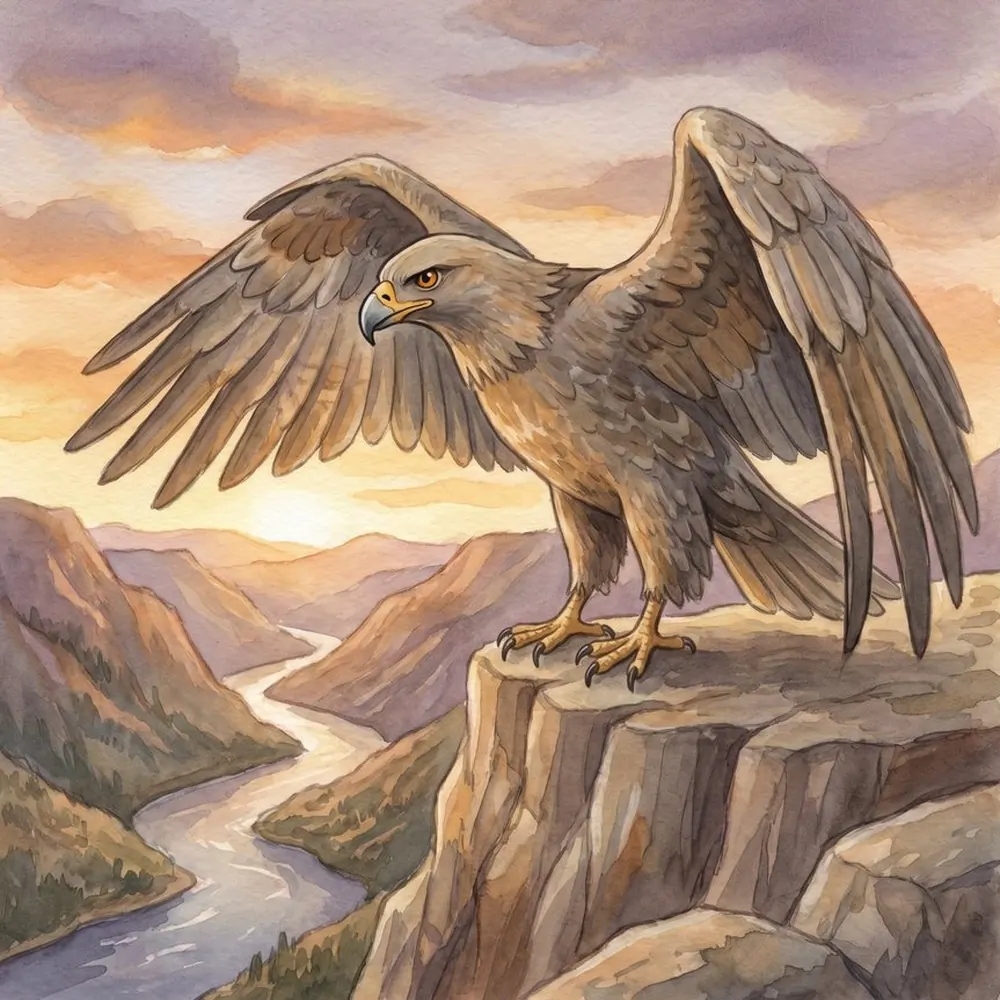
Rock Eagle

Aquila petroglyph

Lives in Fire Mountains

The Rock Eagle is a majestic bird of prey that nests on the vertical cliffs of Carmina Canyon. With a wingspan of up to 2.5 meters, these eagles rule the desert skies, hunting with deadly precision thanks to their extraordinary eyesight, which can spot a hare 3 kilometers away.

But their most fascinating adaptation is their sensitivity to seismic vibrations. The eagles build their nests in rock cracks that act as natural amplifiers of seismic waves. When earthquakes draw near, the eagles leave their nests and fly in wide circles over the canyon, letting out alarm cries that echo between the rocky walls.

The communities that live in Carmina Canyon have learned to read the "eagle's dance" as a warning of coming earthquakes. An eagle flying in erratic spirals is a sign to evacuate at once.

📊 Scientific Data

  • Wingspan: 2-2.5 meters
  • Weight: 4-7 kg
  • Signal detected: Seismic waves, vibrations in rock
  • Eyesight: Spots prey at 3 km
  • Dive speed: 240 km/h
  • Seismic warning time: 1-4 hours before the earthquake

See full profile

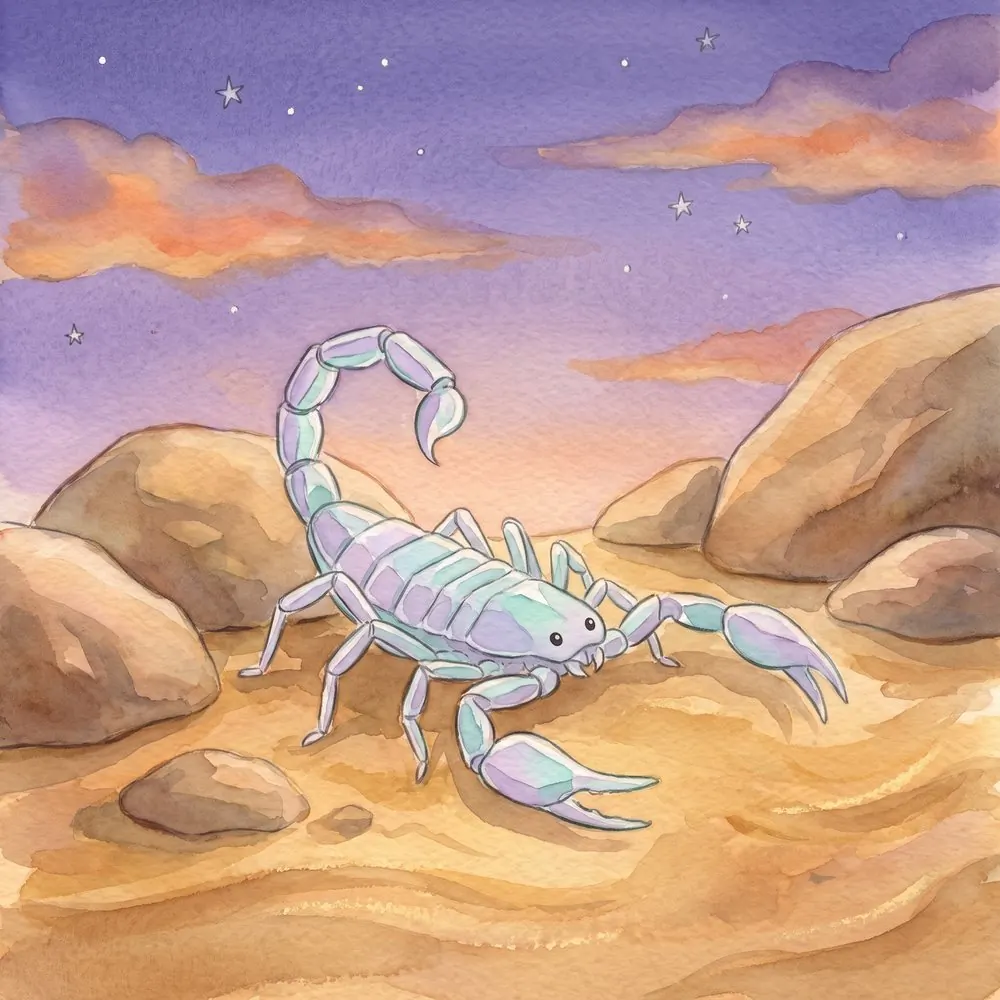
Crystal Scorpion

Scorpio translucens

Lives in Salt Desert Crystal Caves

The Crystal Scorpion is an arachnid found only in the Solaria Desert, with a translucent exoskeleton that glows under ultraviolet light. During the day it hides under rocks, but at nightfall it comes out to hunt insects and small rodents with its neurotoxic venom.

Its most extraordinary trait: the Crystal Scorpion glows in different colors with the humidity in the air. In extremely dry conditions, it shines pale blue. When rain draws near, its glow turns bright green. And during thunderstorms, it gives off a spectacular violet shimmer.

Desert travelers look for Crystal Scorpions at nightfall as a living forecast. A group of scorpions glowing green is a promise of rain within 24 hours, vital information in an ecosystem where water can mean the difference between life and death.

📊 Scientific Data

  • Length: 8-12 cm
  • Weight: 15-30 grams
  • Signal detected: Air humidity, electrostatic changes
  • UV fluorescence: Visible at 50+ meters in the dark
  • Venom: Neurotoxic (rarely deadly to humans)
  • Rain prediction: 18-30 hours in advance

See full profile

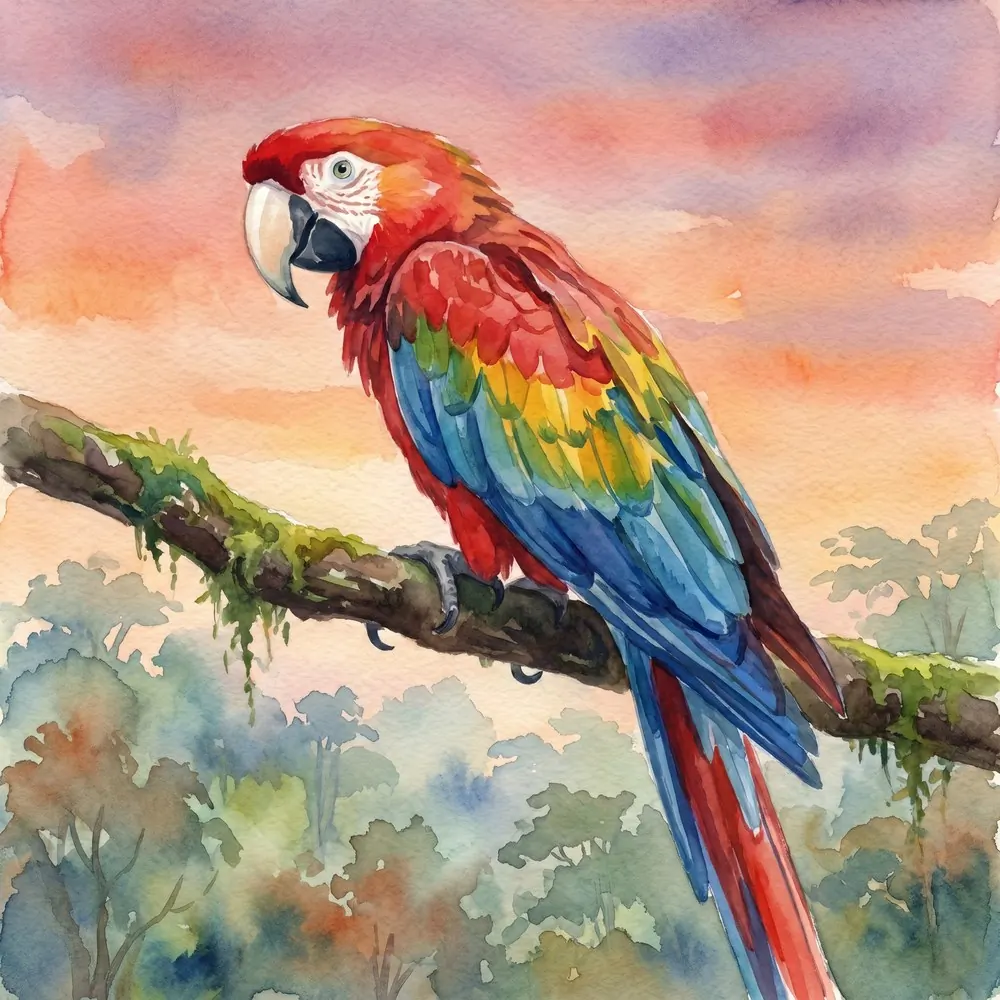
Sentinel Macaws

Ara vigilans

Lives in Yanama Jungle Verdant Forest

The Sentinel Macaws are large, colorful parrots that live in the crowns of the tallest trees of the Yanama Jungle. Their multicolored plumage (red, blue, yellow and green) makes them unmistakable, and their piercing calls can be heard for kilometers.

These macaws have developed a sophisticated system of cooperative watching: while some members of the flock feed, others stay on the highest branches acting as sentinels. When they sense dangers (predators, forest fires, storms) they let out specific alarm calls that the whole jungle understands.

More fascinating still: the Sentinel Macaws can detect smoke from forest fires before they are visible, thanks to chemical receptors in their beaks. A group of macaws flying off all at once, leaving an area, is a sure sign of fire nearby, allowing evacuations that save both human and animal lives.

📊 Scientific Data

  • Length: 80-90 cm (including tail)
  • Wingspan: 1.2-1.5 meters
  • Signal detected: Smoke, predators, weather changes
  • Alarm calls: 8+ distinct vocalizations
  • Lifespan: 50-60 years in the wild
  • Fire warning time: 30-90 minutes before it can be seen

See full profile

Interconnected Ecosystems

In Equandia, every living thing forms a communication network with the Earth. Understanding the signals means seeing the whole system, not just individual species.

The Central Valley, where Equandia's ecosystems meet
🌳

Underground Network

The Mother Trees link their roots into a mycelial network (fungi) that carries chemical and electrical signals. When one tree senses danger, the whole network lights up within minutes.

🦅

Aerial Alert Chain

The Condors pass signals to other birds through their flight patterns. A Condor that senses danger can trigger a chain of alerts that travels 500 km in 2 hours.

🐬

Ocean Choir

The Singing Dolphins sync their songs into sound waves that travel hundreds of kilometers. Other sea creatures read these songs and respond accordingly.