In the beginning
The Great Silence and the Awakening of Gaia
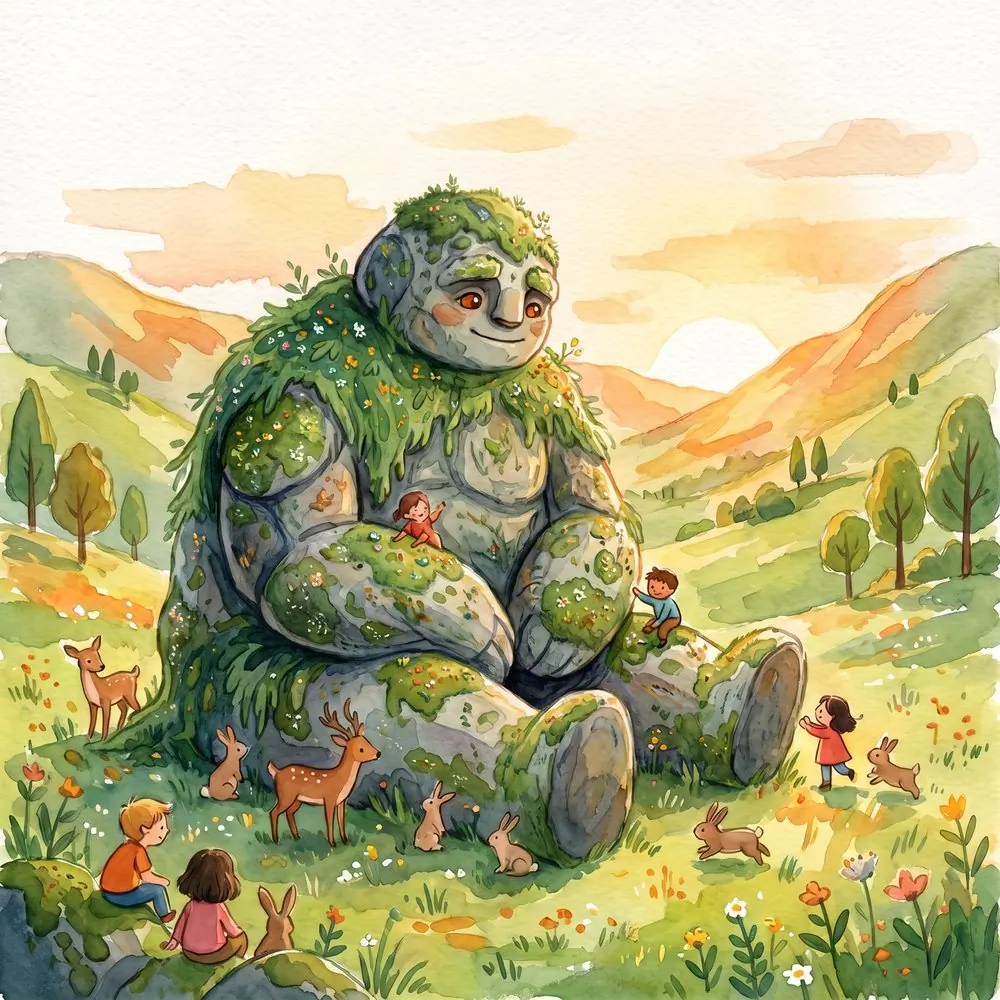
Before everything you know there was only the Great Silence: a void where neither time nor space had a shape. And from the heart of that void a spark of consciousness awoke. The ancients called it Gaia, the consciousness of the Earth.
Gaia was not a being with a body, nor a giant, nor a voice in the clouds. She was the sum of every possible connection between the rock, the water, the air and the fire. And she learned to speak, but not with words: every mountain that rose was a thought, every river a sigh, every storm a question without an answer.
There was a problem: no one listened to her. So, with the patience of millennia, Gaia wove life. First simple forms that could only feel: plants that turned toward the light, creatures that fled from the tremor. Then came the first inhabitants of Equandia, born with a rare and precious gift: they could understand the language of the Earth.
The rule that changes everything: Gaia cannot intervene. She does not stop waves or put out volcanoes. She can only speak, point, warn. Acting is up to those who listen.
The five voices of Gaia
The Five Primordials
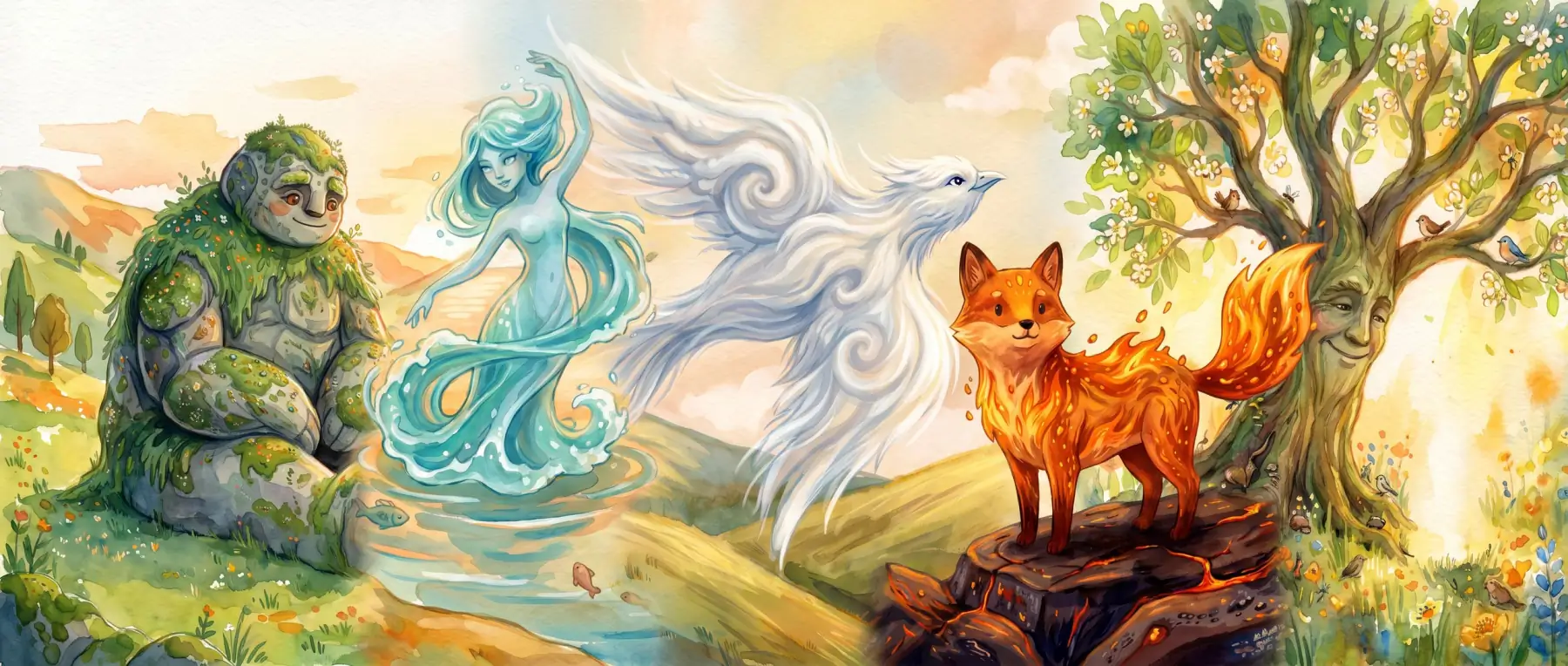
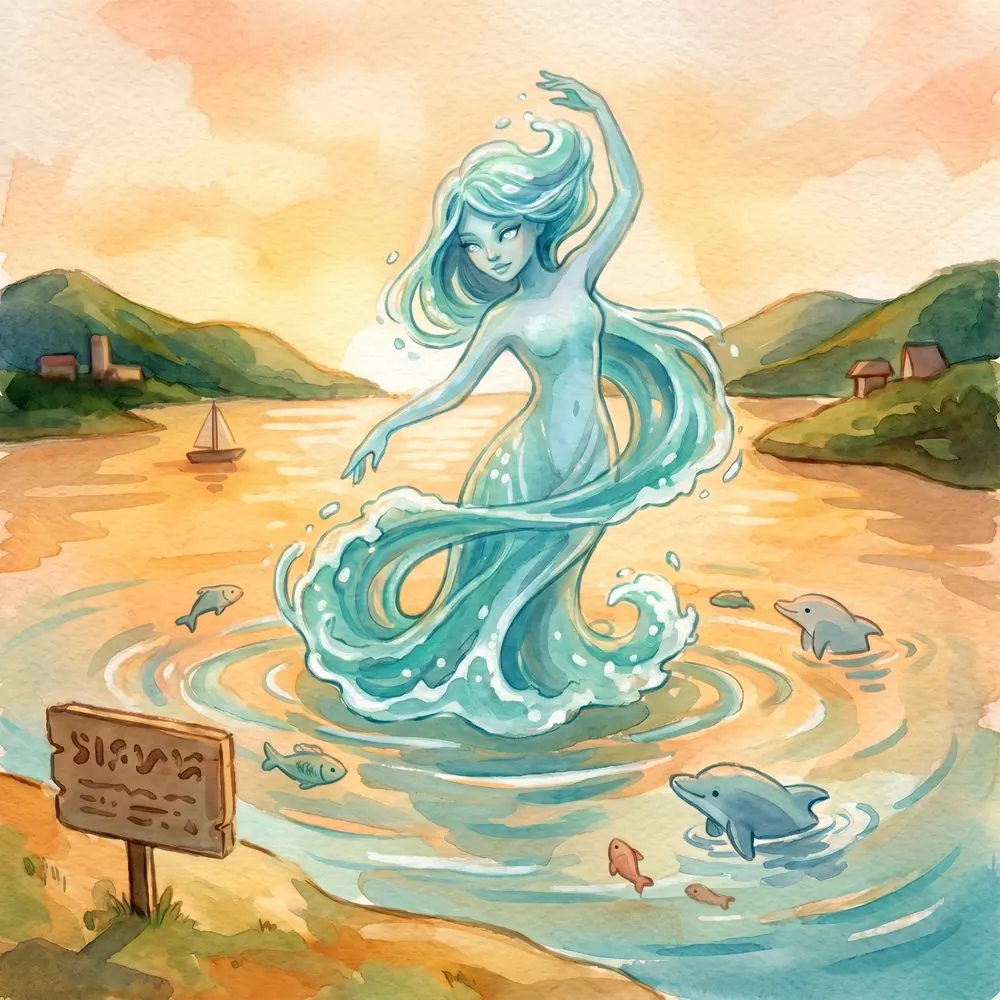
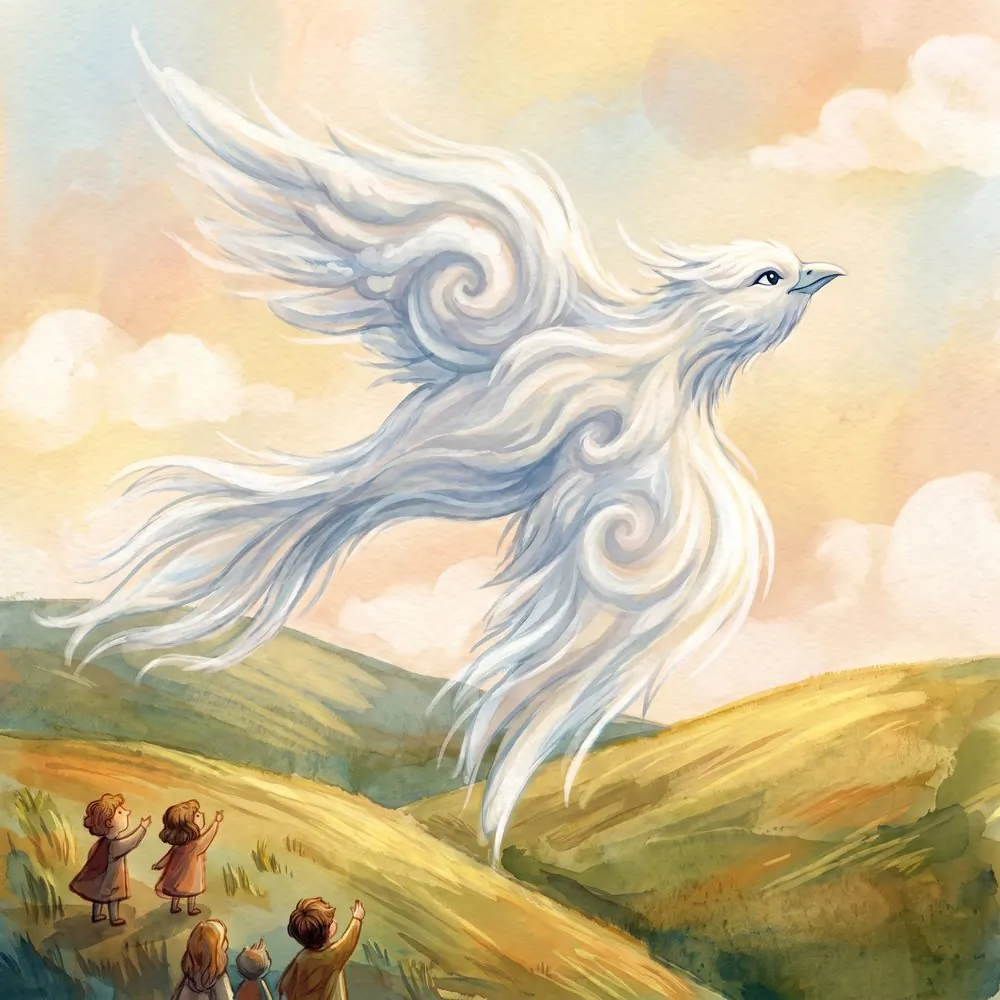
To shape the world, Gaia took the form of five enormous forces, each very different from the others: the Primordials. They are not gods who help or monsters who punish. They are forces of nature with memory and character: they take no sides, they obey no one, they simply are. Tap a card to open its profile: its element, its color, its sign in the sky and what those who have its favor can hear.
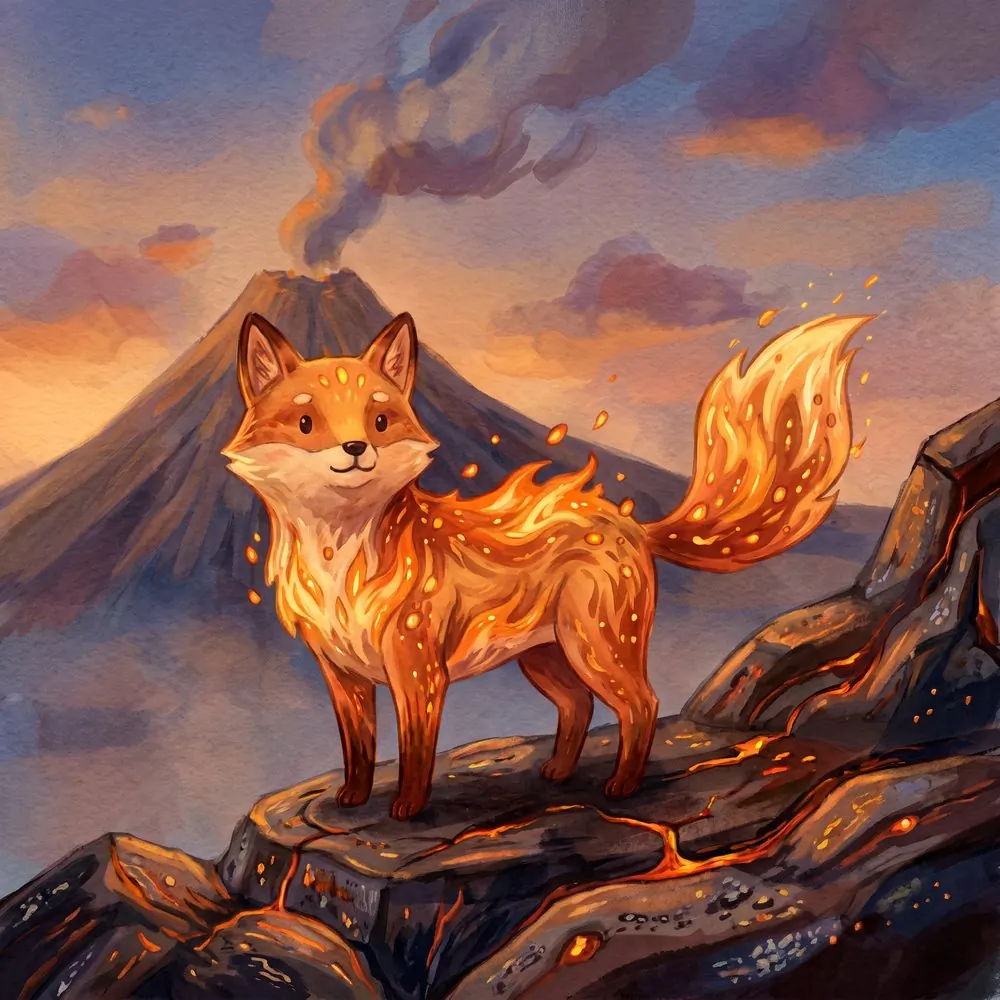
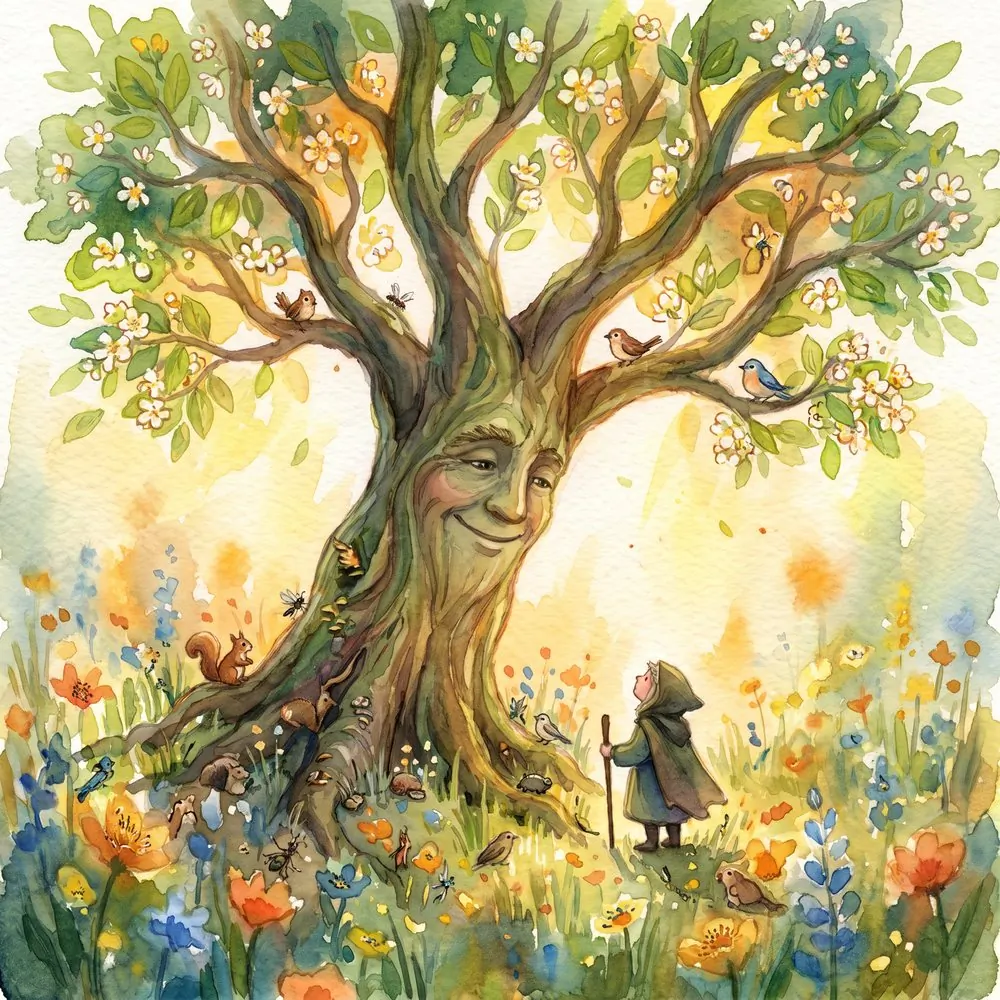
The language without words
Balance and the signals
The Five do not compete with each other: they balance one another. Stone holds up water, water calms fire, fire renews what life weaves, and the wind carries word of it all. When that balance shifts, even a little, the Earth gives warning. That warning is called a signal.
A signal can be a hum beneath your feet, the sea pulling back too far, a forest that suddenly falls silent. Every inhabitant of Equandia feels them a little (that hunch that something is coming), but truly reading them is an art you train for your whole life.
The rules that every Guardian learns by heart
- Signals never lie, but we humans can read them wrong.
- One signal is a clue. Three signals that agree are a warning.
- Mixed signals from several Primordials are the most serious of all.
- No signals when there should be is a signal too.
- A signal is written down in the notebook, not just remembered.
Want to practice with signals from the real world? In Learn there are guides and games to read nature like a Guardian.
Three hundred years ago
The legend of the Broken Silence
For centuries, the Equandians lived by reading the signals and acting with wisdom. But a time of comfort arrived. Cities grew, technology dazzled everyone, and little by little people stopped looking at the sky and feeling the ground beneath their feet. An entire generation decided that the signals were grandparents' superstitions.
They built on the beds of dry rivers. They cut down the forests where Vitalis spoke most clearly. They blocked Ventus's path with walls of stone. Gaia spoke louder. Then she shouted. And one day, the Five spoke all at once.
"Gaia never stopped speaking. It was we who stopped listening."
That time is called the Broken Silence. No one alive today witnessed it: what remains are the ruins, the stories the keepers of memory repeat word for word, and a promise. Because from those ashes were born the City of Equandia, rebuilt to live in dialogue with the Earth, and the Order of the Guardians.
What exactly happened in those years? And what was left sleeping beneath the ruins? That is one of the stories the series digs up book by book. Meet the five books.
The shadow that smiles
Umbra, the mischievous force of change
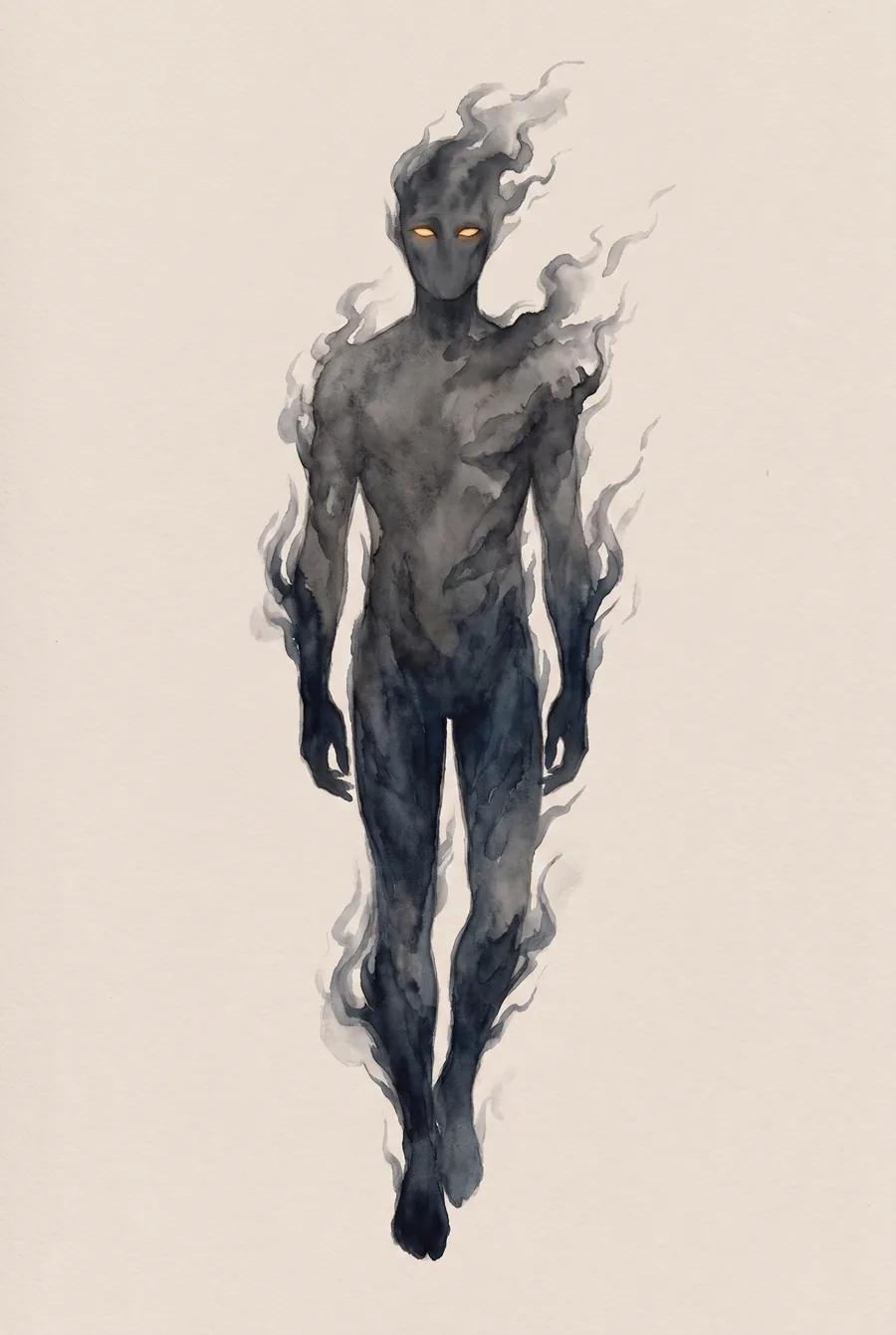
There is one more figure in this story, and it does not appear on the medallion. Umbra is a presence of shadow and smoke with amber eyes, swirling like the wind and smiling when no one expects it. The legends say it was first seen in the years of the Broken Silence, though Umbra never confirms anything.
Let it be clear: Umbra is not a villain. It is the mischievous force of change. It does not destroy cities or throw lightning; it does something more uncomfortable: it complicates things. It hides a clue, tangles a test, shows up right when someone starts to get comfortable. The oldest Guardians put it this way: without challenge there is no growth, and Umbra is challenge itself.
The Five tolerate it, people fear it just a little, and attentive readers end up wondering which side it is really on. What Umbra is, where it comes from and what it seeks is one of the mysteries the series reveals book by book. Its profile lives with the others in Characters.
The promise that is still alive
The tradition of the Guardians
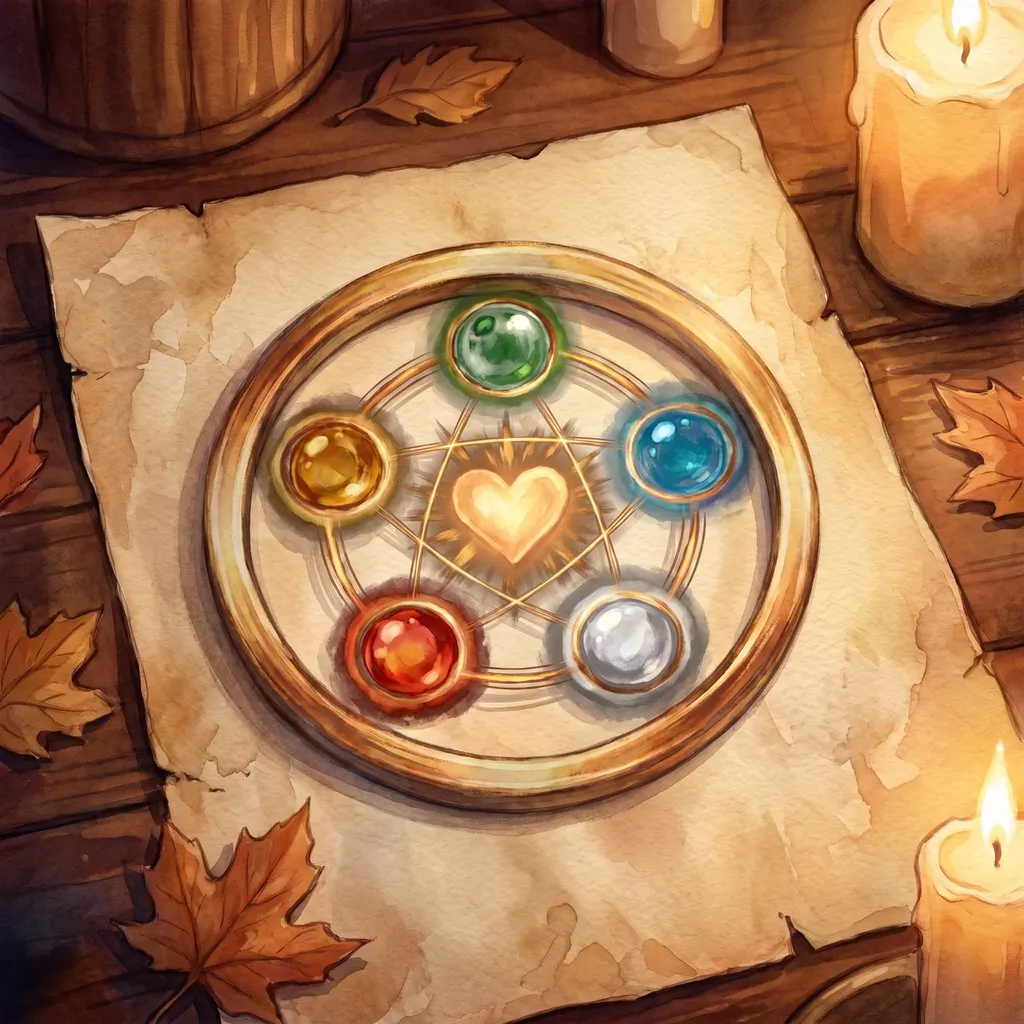
After the Broken Silence, the survivors made a promise: never to stop listening again. From that promise was born the Order of the Guardians, people trained from childhood to read the signals and protect their community. They have no superpowers: their strength is attention. They observe, take notes, compare and give warning in time. Their emblem is the medallion where the five elements hold one another up.
Three hundred years later, the tradition lives on
- Cities are built to flow with nature, not against it.
- Every child learns to read the basic signals at school.
- There are festivals in honor of the Five Primordials all year round.
- The Guardians teach, keep watch and pass the gift down from generation to generation.
And even so, every generation has to relearn the lesson. There are always those who forget, those who doubt, those who believe this time is different. That is why the Guardians are still needed. And that is why this story begins when an eight-year-old girl named Luna discovers that she can hear what almost no one else can.